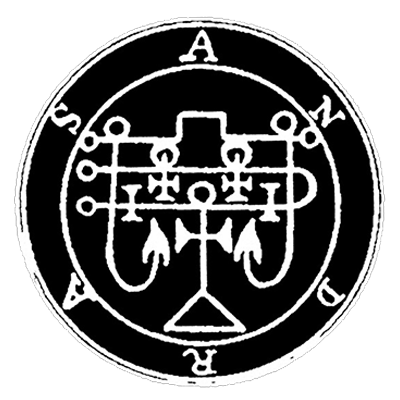
Who is Andras?
Andras is the 63rd spirit described in the Ars Goetia, the first section of the 17th-century grimoire The Lesser Key of Solomon. He is depicted as a Great Marquis of Hell, appearing as an angel with the head of a black night owl, riding a black wolf and wielding a sharp sword. His domain includes sowing discord, inciting quarrels, and destroying enemies—often with a ruthless, destructive bent. He commands 30 legions of demons and is considered one of the more volatile spirits, capable of causing harm to the summoner if not handled with precision.
Preparation for the Summoning Ritual
Summoning Andras, like other Goetic demons, draws from ceremonial magic traditions. These rituals are symbolic and psychological in modern occult practice, but historically viewed as literal invocations. Proceed with extreme caution: traditional texts warn that Andras can turn violent, potentially “slaying the summoner and his companions” if disrespected. Only attempt if you’re experienced in evocation; beginners risk psychological distress or unintended consequences.
Required Materials
Gather these items in a clean, secluded space (ideally a protected circle outdoors at night):
Sigil of Andras: Draw or engrave his seal (a complex geometric figure resembling interlocking circles and lines with angular extensions). You can find accurate reproductions in editions of The Lesser Key of Solomon.
Incense and Offerings: Frankincense or myrrh for purification; black candles (for his owl/wolf associations); a small offering like blood (symbolic, e.g., red wine) or a written pact on parchment.
Protective Tools: A consecrated dagger (athame), salt for the circle, and a triangle of art (a separate containment area drawn with chalk or rope).
Robes and Mindset: Wear black or earth-toned robes. Fast for 24 hours beforehand to heighten focus and humility.
Timing and Location
Planetary Hour: Invoke during the hour of Mars (Tuesday, around dawn or dusk) for his martial, destructive energy.
Lunar Phase: Waning moon to align with baneful workings like discord.
Space: A quiet room or forest clearing. Ensure privacy—no interruptions.
Step-by-Step Summoning Ritual
This is adapted from the Ars Goetia method, emphasizing safety layers. Perform in a trance state (via meditation or rhythmic chanting). The entire rite takes 1-2 hours.
Purification and Circle Casting:
Bathe in salt water while reciting: “I purify myself in the name of the powers above and below.”
Draw a nine-foot circle with salt, inscribing protective names (e.g., Tetragrammaton, Adonai) around the perimeter. Stand inside, facing east.
Light black candles at the four quarters. Burn incense and say: “By the elements, I seal this space from harm.”
Invocation of Preliminary Spirits:
Call upon gatekeepers for protection: Recite the Preliminary Invocation from The Lesser Key (a lengthy prayer invoking divine authority over spirits). Abbreviate if needed: “O thou Almighty God… grant me power over the infernal hierarchies.”
This establishes your command; skip it, and Andras may ignore or attack.
Summoning Call:
Hold Andras’s sigil aloft in the triangle of art (placed outside your circle, pointing east).
Chant his enn (a modern demonic calling phrase): “Tasa on ca Andras ire on ca.”
Follow with the conjuration: “Andras, Great Marquis of the infernal legions, I call thee by thy name and seal. Appear before me in fair form, visible and affable, without deformity or terror. Come peaceably, and without ugliness, to accomplish my will. By the power of [divine names, e.g., Jehovah, Elohim], I command thee!”
Visualize a black wolf emerging from shadows, transforming into an owl-headed angel on its back, sword gleaming.
Appearance and Binding:
Andras may manifest as cold winds, animal howls, or vivid visions/hallucinations. If he appears hostile, reinforce with: “I bind thee, Andras, by the chain of [your chosen divine authority], to do no harm.”
Once visible (or sensed), state your intent clearly—e.g., “Bring discord to [specific enemy/target], but spare the innocent.” Avoid vague or selfish requests; he despises weakness.
Communication and License to Depart:
Ask questions or issue commands. He speaks in a harsh, avian screech—interpret via intuition or automatic writing.
When done, license departure: “Andras, I thank thee for thy service. Depart in peace to thy abodes, harming none on the way. By the power that binds thee, so mote it be.”
Extinguish candles counterclockwise. Erase the circle with your foot, saying: “The rite is ended; forces disperse.”
Risks and Post-Ritual Care
Dangers: Andras is notorious for betrayal; texts like Pseudomonarchia Daemonum note his sword can “kill the master.” Signs of backlash include arguments, accidents, or paranoia—counter with grounding rituals (e.g., burying the sigil).
Ethics: Modern occultists (e.g., in chaos magic) treat this as shadow work for personal catharsis, not literal harm. Consent and karma apply—misuse invites fallout.
Alternatives: If physical summoning feels too intense, use meditation on his sigil or pathworking in the Qabalistic Tree of Life (Andras links to Geburah).