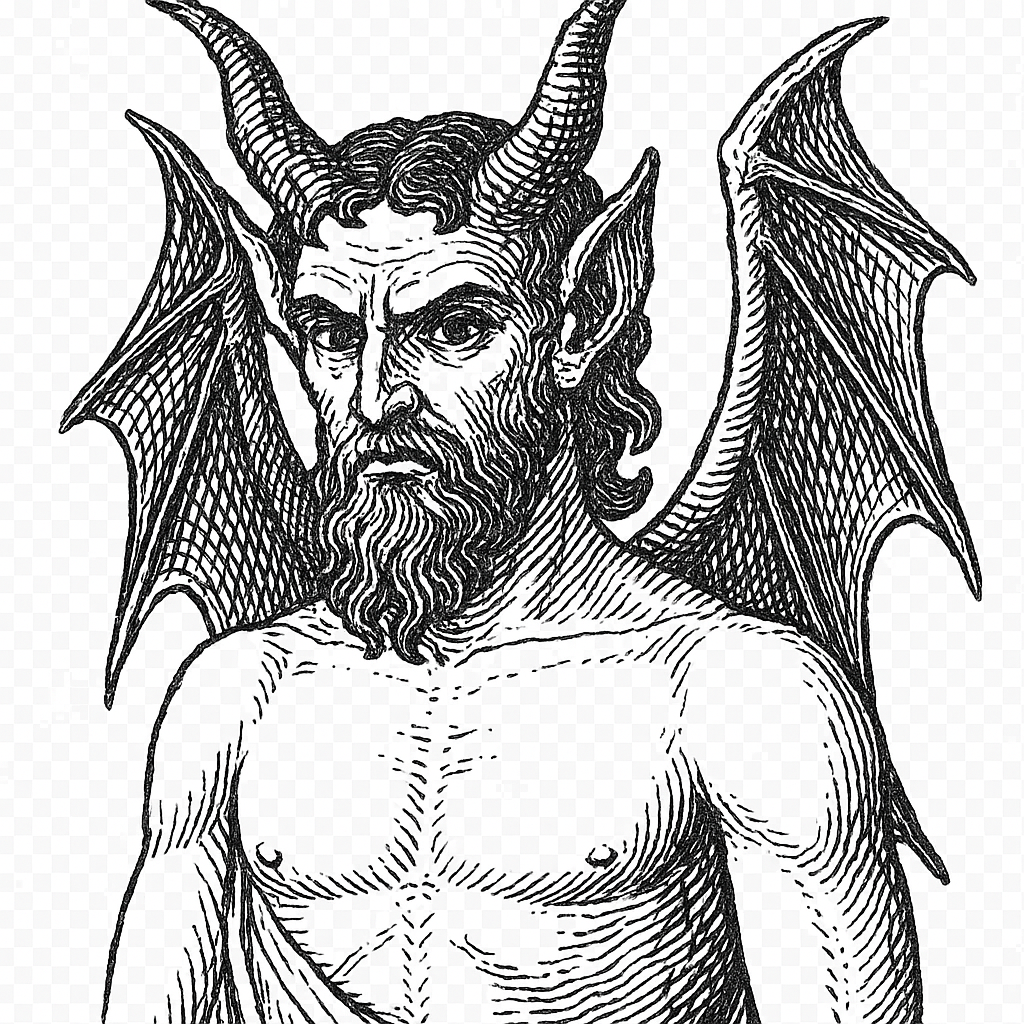
Lucifer Morningstar: The Enigmatic Sovereign of the Pride Ring
In the fiery underbelly of Hell, where ambition clashes with despair and every shadow whispers of rebellion, one figure looms larger than the infernal skyline: Lucifer Morningstar. As the fallen angel turned King of Hell, Lucifer reigns over the Pride Ring, the uppermost layer of this chaotic domain. This realm, a glittering cesspool of overpopulated sinners, embodies the very sin that cast him from the heavens—pride itself. Far from the tyrannical devil of ancient lore, Lucifer in the Hazbin Hotel universe is a tragic dreamer, a rubber-duck-obsessed showman whose rule is as eccentric as it is absentee. Yet, beneath the theatrics lies a being whose fall reshaped creation, and whose legacy continues to fuel the eternal struggle between redemption and damnation.
Origins: From Celestial Dreamer to Infernal King
Lucifer’s story begins not in brimstone, but in the radiant halls of Heaven. Once an idealistic seraphim known as the “Morningstar,” he dreamed of granting humanity free will—a gift he believed would elevate them to divine heights. His ambition, however, birthed unintended chaos: the birth of evil, the temptation of Eve, and ultimately, the creation of Hell itself. Banished for his hubris, Lucifer plummeted into the abyss he had unwittingly forged, his six white wings—tipped with crimson feathers—now symbols of his eternal exile.
This fall, steeped in pride, aligns with biblical echoes where Lucifer’s rebellion stems from a desire to rival the Almighty. In Hell, he embodies the sin of Pride as one of the Seven Deadly Sins, a title that underscores his role as both creator and captive of his domain. Yet, unlike the vengeful Satan of scripture, this Lucifer is no warmonger; his descent left him disillusioned, abandoning his lofty goals for isolation and whimsy.
The Pride Ring: A Crimson Mirror of Mortal Vanity
At the pinnacle of Hell’s seven concentric rings lies the Pride Ring, a sprawling metropolis of neon-lit excess and overpopulated torment. Its blood-red skies, dotted with white stars and a looming pentagram moon, cast an eternal glow over cities teeming with sinner demons—souls condemned from Earth for their earthly vices. Here, the air hums with the cacophony of ambition unchecked: towering spires pierce the haze, streets pulse with illicit deals, and the horizon frames glimpses of the unreachable Heaven above.
Sinners are eternally bound to this ring, unable to descend to the lower layers inhabited by Hellborn demons like imps and hellhounds. Hellborn can traverse it freely, but for the damned, escape is impossible—a cruel reflection of their prideful refusal to repent in life. Overpopulation breeds constant tension, quelled only by Heaven’s annual Exterminations, where angelic Exorcists cull the masses to prevent uprising. Lucifer himself negotiated a grim truce: Hellborn are spared, leaving sinners as the sole targets in this yearly purge.
Under Lucifer’s nominal rule, the Pride Ring thrives in anarchic splendor. His palace, a opulent yet dust-covered monument, stands as a testament to his disinterest in governance. Cobwebs drape his throne, and his name evokes more myth than authority among the denizens. This laissez-faire approach has turned Hell into an oligarchy of Overlords and Sins, with Lucifer intervening only when his daughter—or his pride—is threatened.
The Hidden Depths :
Lucifer Morningstar cuts a figure as flamboyant as he is flawed. Dramatic and theatrical, he flits between bombastic showmanship and awkward vulnerability, his voice a melodic croon that can shift to a venomous hiss. Clad in a pristine white suit accented with apple-red details—a nod to the forbidden fruit—he wields powers befitting a fallen archangel: pyrokinesis to summon hellfire, shapeshifting into serpentine beasts, and flight on wings that blot out the crimson sky. Yet, his true obsession lies not in conquest, but in crafting absurd rubber ducks, a quirky coping mechanism for millennia of melancholy.
Socially inept yet fiercely protective, Lucifer’s cynicism runs deep. He views sinners as “violent, destructive psychopaths,” regretting the free will he bestowed upon humanity. His absenteeism stems from personal woes: a separation from his wife, Lilith, the first woman, who vanished seven years prior, leaving him to wallow in a mansion filled with family photos and half-finished toys. Despite this, glimmers of the old dreamer persist—especially in his love for his daughter, Charlie, whose hotel for redeeming souls rekindles his faded optimism.