
Bathin: The Thirty-Ninth Spirit of the Ars Goetia
Bathin, known as the thirty-ninth spirit in the Ars Goetia, stands as a powerful infernal duke. He commands over thirty legions of spirits, ruling with both wisdom and restraint. Unlike destructive entities, Bathin is invoked for movement, insight, and understanding of the world’s hidden pathways. Summoning him represents transformation and mastery over unseen forces.
Origins and Etymology
Bathin’s origins reach into medieval European occult traditions. He appears within the Solomonic cycle of demonological texts, particularly the Lesser Key of Solomon. The Ars Goetia depicts him vividly, reflecting humanity’s fascination with the forces beneath the earth.
His name may stem from Old French or Latin terms related to “bathing.” This link suggests purification, transformation, and crossing between realms. Some scholars connect Bathin to pre-Christian deities of travel and boundaries, like Mercury or Hermes. Both were guides of souls and symbols of movement. In this sense, Bathin becomes a Christianized echo of ancient psychopomps—guardians between the mortal and divine worlds.
Appearance and Summoning
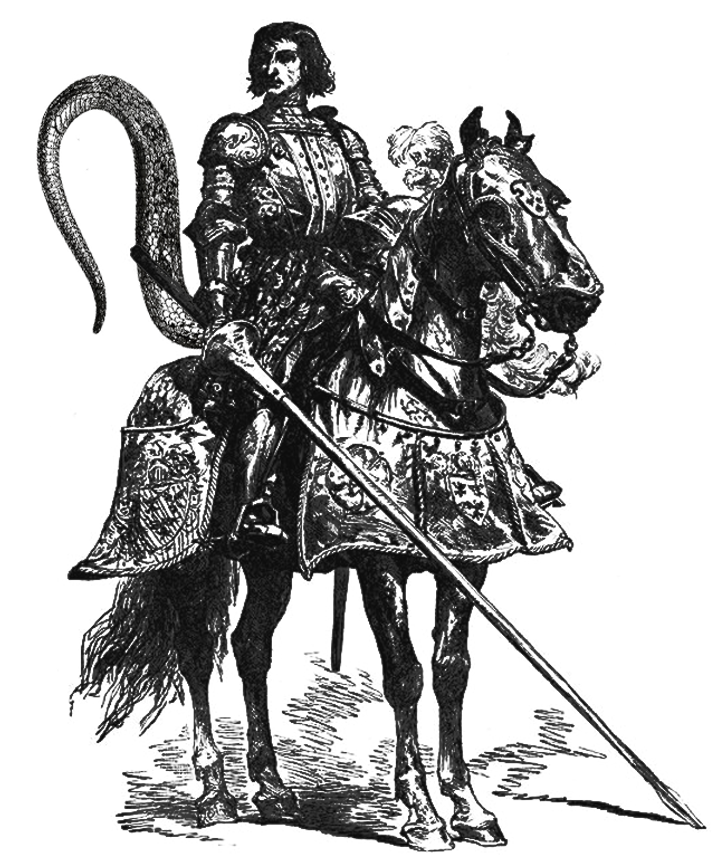
In grimoires, Bathin appears as a strong man riding a pale horse. His fierce yet noble expression evokes a warrior-poet from forgotten ages. He often carries a living serpent, symbolizing cunning wisdom and eternal cycles of knowledge.
The Goetia details his summoning. Practitioners must inscribe a triangle of art and protective circles. Sacred sigils guard the magician from his vast legions. Offerings of myrrh and frankincense are burned as invocations are spoken in Enochian or Hebrew. When called respectfully, Bathin speaks clearly and truthfully, guiding rather than deceiving.
Summoning Bathin requires precise focus and moral discipline. The magician must respect his domain, for careless invocation invites spiritual imbalance.
Powers and Domains
Bathin governs movement and the revelation of hidden knowledge. His first gift is the ability to transport humans instantly across great distances. This power represents more than physical travel—it symbolizes spiritual and intellectual ascension.
Legends describe adepts transported from Europe to the East within moments, returning with lost wisdom. Bathin also commands knowledge of herbs, stones, and their mystical properties. He teaches the virtues of emeralds, amethysts, and ancient roots used for healing and insight.
In the age of exploration, his teachings inspired travelers and healers. His followers believed that true understanding of nature’s forces leads to harmony. Yet, misuse of his gifts brings consequences, for every secret demands respect.
Role in the Infernal Hierarchy
Within the hierarchy of Hell, Bathin holds the rank of duke. He commands thirty legions of nomadic spirits skilled in discovery and evasion. His authority reflects balance—neither tyrannical nor submissive, but wise and strategic.
Unlike combative demons such as Agares or seductive ones like Gremory, Bathin focuses on enlightenment through experience. Some grimoires claim he commands forty legions, emphasizing his growing significance. Others describe his deep connection to astrology and navigation, suggesting he governs favorable times for travel.
These varying accounts reveal how lore evolves through time, shaped by scholars and mystics alike.
Modern Interpretations and Cultural Influence
In modern occultism, Bathin symbolizes movement, exploration, and adaptation. Chaos magicians and neo-pagans invoke him for safe travel or insight during change. His influence extends to crystal work, herbalism, and even digital nomadism.
His symbolism also appears in literature and pop culture. Writers such as Neil Gaiman and contemporary horror authors use Bathin-like figures to represent crossroads and transformation. In this way, his archetype remains alive in modern imagination.
While skeptics dismiss demonology as superstition, Bathin endures as a metaphor for progress. In an era of global travel and virtual frontiers, his spirit represents our urge to cross boundaries—physical or mental.
Conclusion
Bathin, duke of distant roads and hidden realms, embodies the eternal quest for discovery. He bridges worlds, guiding seekers through both material and spiritual journeys. His legacy teaches that movement is not chaos, but growth.
In the vast hierarchy of the Ars Goetia, Bathin stands as a spirit of transition and transformation. To study him is to explore humanity’s deepest desire—to move, learn, and evolve beyond limits.