
Crocell: The 49th Spirit of the Ars Goetia
Crocell, the 49th spirit of the Ars Goetia, is a Great Duke of Hell commanding forty-eight legions of spirits. He embodies intellect, elemental mastery, and subtle influence. Known for teaching geometry and liberal sciences, he bridges the boundaries between knowledge, perception, and illusion.
His dual nature—both angelic and infernal—reflects the medieval belief that fallen beings still hold fragments of divine wisdom.
Origins and Context
Crocell first appears in the Ars Goetia, part of the Lesser Key of Solomon, a cornerstone of Western occultism. This grimoire catalogs seventy-two demons allegedly bound by King Solomon’s divine seal.
The text reflects a medieval fascination with ordering the spiritual world, blending Jewish mysticism, Christian theology, and pagan elements. Each entity is described with rank, powers, and purpose—revealing how early magicians sought to understand, and command, invisible forces.
Crocell’s inclusion highlights the intellectual tone of the Goetia, where demons are not only agents of temptation but also teachers of forbidden knowledge.
Description and Attributes
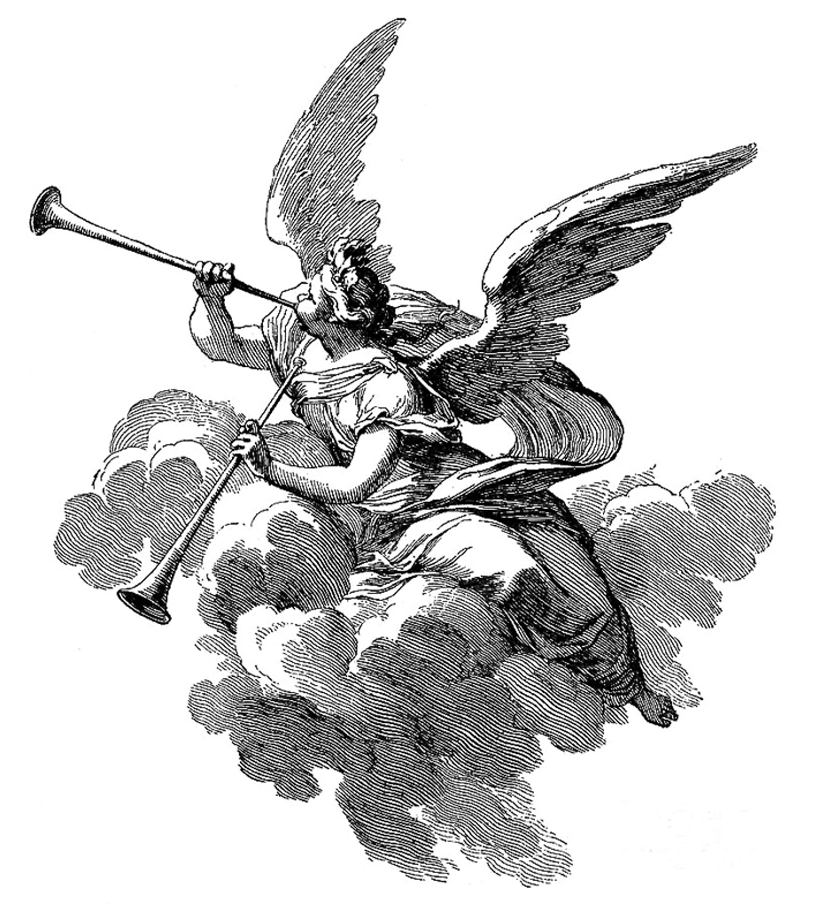
In the Ars Goetia, Crocell is described as a Great and Strong Duke, radiant in angelic form. This appearance recalls his prelapsarian state as a celestial being, emphasizing the deceptive beauty of fallen angels.
He governs forty-eight legions, marking him as a spirit of significant rank and influence. His powers center on knowledge and water—two ancient symbols of wisdom and transformation. Crocell teaches geometry and the liberal sciences, offering insight into intellectual and creative pursuits.
He also possesses control over natural springs and warm waters, revealing hidden sources and commanding heat within them. This association connects him to ancient elemental spirits tied to rivers and healing waters.
Crocell can also create the sound of rushing water where none exists, producing illusions that manipulate perception. This gift symbolizes his dominion over both the material and sensory realms, illustrating how knowledge and deception intertwine.
Role in Ritual Magic
To summon Crocell, practitioners followed detailed instructions from the Lesser Key of Solomon. The ritual involved sacred geometry, sigils, and the magician’s protective circle. Crocell’s seal, drawn with consecrated ink, served as a symbolic key to his presence.
Practitioners invoked him to gain understanding of sciences, particularly geometry and philosophy. Scholars and magicians viewed his teachings as tools to refine the intellect and strengthen spiritual insight.
His connection to water made him a patron of purification and transformation rituals. Some sources suggest summoners sought his help in discovering springs or enhancing healing baths, echoing ancient reverence for sacred waters.
As with all Goetic spirits, discipline and purity of intent were essential. Summoning Crocell demanded balance—seeking wisdom without succumbing to pride.
Symbolism and Significance
Crocell’s symbolism merges knowledge, illusion, and elemental mastery. His angelic form underscores the paradox of beauty masking danger, while his teachings reflect the pursuit of enlightenment through risky channels.
Water, his primary element, represents purity, change, and life. Yet in his hands, it also embodies illusion—sound without source, reflection without substance. This duality mirrors the human condition: the search for truth often clouded by perception.
His ability to teach intellectual arts positions him as a patron of scholars, while his auditory illusions remind seekers of the fine line between wisdom and delusion. Thus, Crocell’s lore embodies the medieval tension between faith and reason.
Crocell in Historical Context
Crocell’s presence in the Ars Goetia reveals the Renaissance fusion of science and mysticism. During this era, magic was not mere superstition but a method to explore nature’s laws through divine correspondence.
His mastery of geometry and water suggests ties to pagan and hermetic traditions, where geometry symbolized cosmic order and water signified spiritual cleansing. These traits may echo pre-Christian deities linked to rivers or healing springs.
The study of spirits like Crocell helped shape the Western esoteric tradition, influencing later occultists who viewed him as a bridge between material learning and spiritual wisdom.
Conclusion
Crocell, the 49th spirit of the Ars Goetia, stands as a symbol of intellectual power and elemental mastery. As a Great Duke of Hell, he embodies the paradox of light within shadow—an angelic teacher cloaked in infernal authority.
His teachings of geometry and science inspired those who sought divine order in the natural world. His command over water and illusion reminds practitioners that true wisdom flows from discernment, not deception.
In the tapestry of demonology, Crocell remains a figure of fascination—part scholar, part deceiver, and forever a mirror of humanity’s quest for forbidden knowledge.