
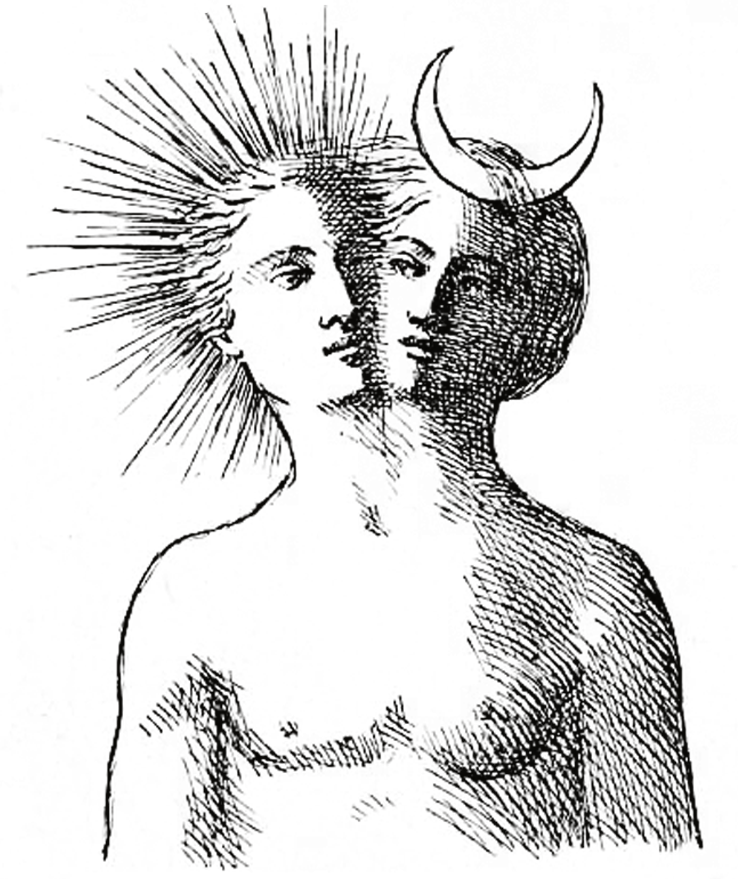
Dantalion: The 71st Spirit of the Ars Goetia
Dantalion, listed as the seventy-first spirit in the Ars Goetia, stands among the most intellectual figures of the infernal hierarchy.
Known as a Great Duke of Hell, he commands thirty-six legions of spirits and rules the unseen realms of thought and emotion.
His legend merges Renaissance curiosity with medieval mysticism, blending divine knowledge and human ambition.
Origins in Demonology
Dantalion’s origins lie within Western occult tradition, particularly the Ars Goetia—the first book of the Lesser Key of Solomon.
Compiled in the seventeenth century, this grimoire draws on earlier sources such as Johann Weyer’s Pseudomonarchia Daemonum and medieval angelology.
These texts merge Judeo-Christian theology with pre-Christian esoteric philosophy, creating a structured map of infernal spirits.
Within that system, Dantalion symbolizes the link between intellect and influence—a being of insight rather than brute force.
Appearance and Attributes
The Ars Goetia describes Dantalion as a man with many faces, male and female, all speaking with one voice.
This striking image represents his mastery over perception and emotion.
In his right hand, he holds a book, the emblem of his authority over knowledge and secret wisdom.
Through this symbol, Dantalion appears as both scholar and manipulator—a spirit of learning who bends minds as easily as words.
His legion of thirty-six spirits suggests vast influence within Hell’s bureaucracy.
Where others command storms or wealth, Dantalion commands understanding itself—the most subtle form of power.
Abilities and Powers
According to traditional sources, Dantalion’s gifts center on thought, emotion, and revelation.
He can reveal the innermost feelings of any person and shape them at will.
His influence extends to fostering love, loyalty, or conviction, granting persuasive control to those who seek it.
Moreover, Dantalion teaches all arts and sciences, unveiling knowledge hidden from ordinary minds.
He also creates visions of distant places and events, showing the summoner scenes beyond physical reach.
In symbolic terms, these visions represent expanded awareness and intellectual illumination.
Medieval occultists viewed him as both mentor and manipulator—a figure offering wisdom with the price of temptation.
Role in the Infernal Hierarchy
As a Great Duke, Dantalion holds an elite position in the infernal order.
His power lies not in destruction but in subtle psychological command.
The grimoires portray Hell as a structured empire mirroring earthly monarchies.
Within this framework, Dantalion acts as counselor and strategist, orchestrating influence rather than conflict.
His many faces may also represent his omniscience—seeing every side of human thought and emotion.
This quality connects him with ancient archetypes of wisdom deities who bridge divine and mortal understanding.
Cultural and Symbolic Meaning
Dantalion’s image captures early modern Europe’s fascination with hidden knowledge.
In an age when science and faith intertwined, he embodied the allure and danger of forbidden learning.
His ability to read minds reflected deep cultural fears about manipulation and loss of free will.
At the same time, he personified the scholar’s ambition—to know what lies beyond mortal boundaries.
Artists and modern occult interpreters often read his many faces as a metaphor for human complexity.
Each face mirrors an aspect of the psyche, reminding seekers that enlightenment requires confronting inner multiplicity.
Dantalion in Literature and Modern Culture
Over time, Dantalion’s image evolved beyond grimoires into literature and media.
Writers portray him as a spirit of intellect, guiding seekers toward enlightenment or corruption.
In modern occult symbolism, he represents psychological insight, connecting ritual magic with the study of consciousness.
This dual legacy keeps him relevant in both academic and esoteric discussions of demonology.
Conclusion
Dantalion endures as one of the most profound figures in the Ars Goetia.
He embodies the eternal struggle between knowledge and control, intellect and morality.
His many faces reflect humanity’s desire to understand itself and the minds of others.
Through centuries of occult study, he remains the duke of thought and perception, offering wisdom that both enlightens and entraps.