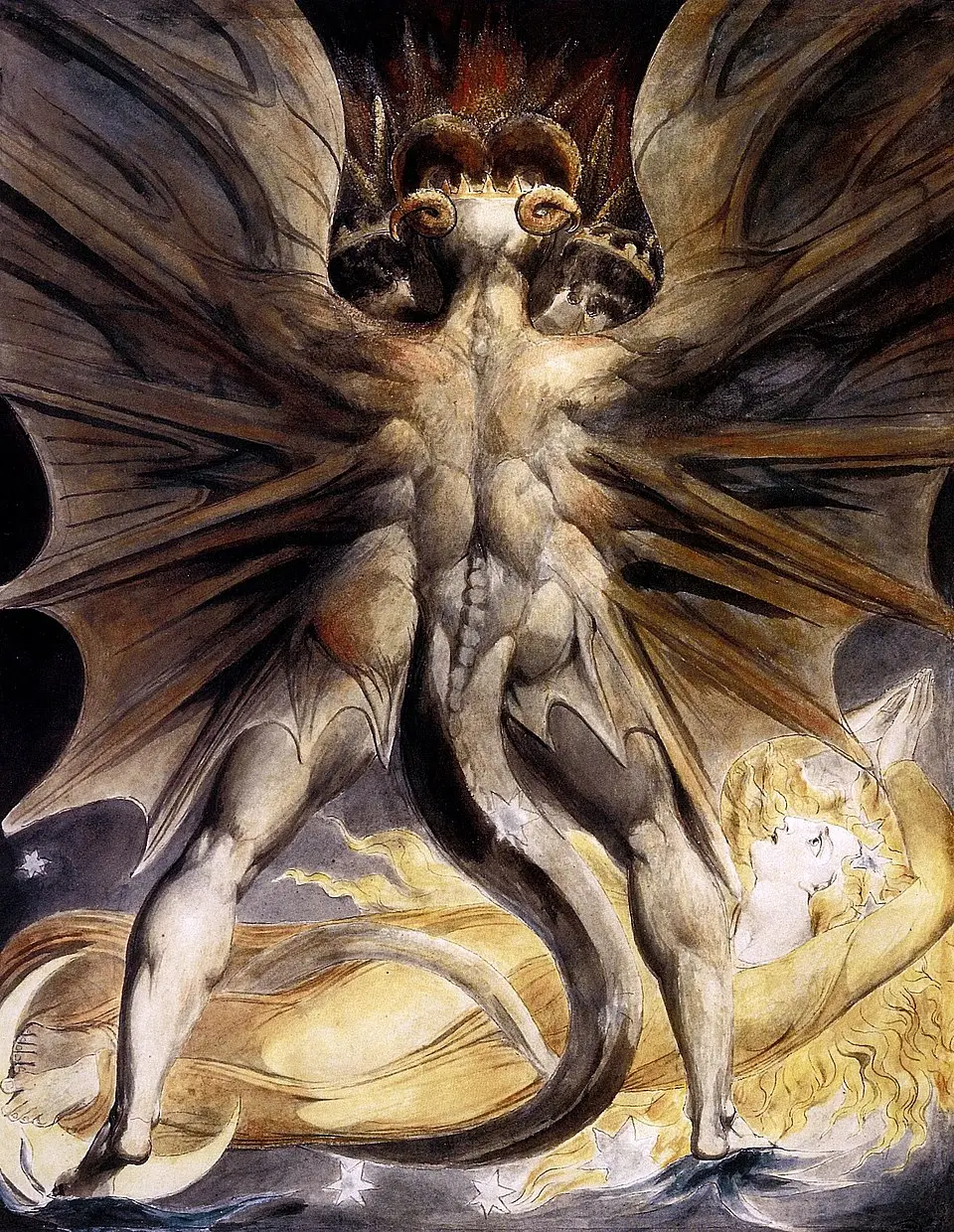
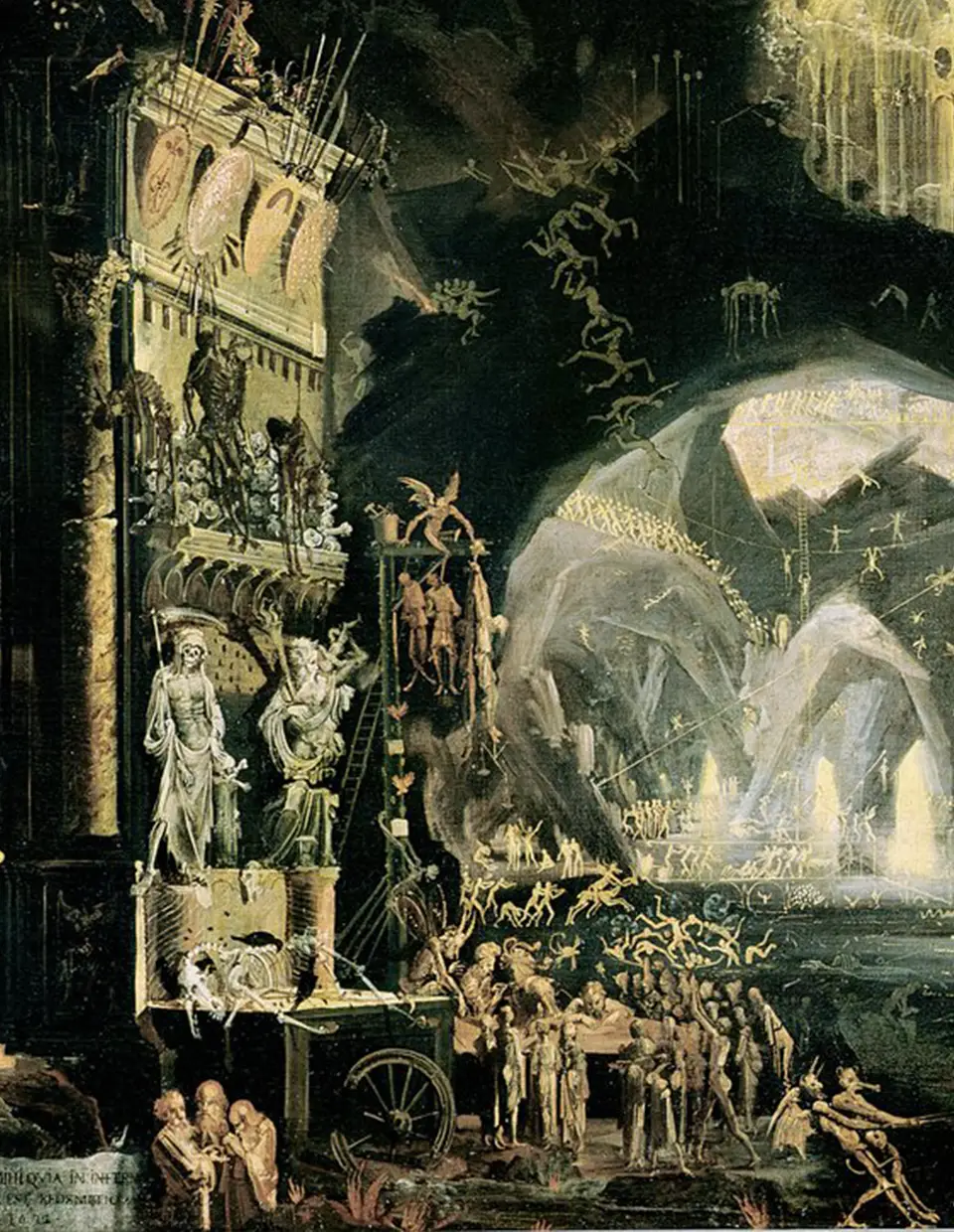
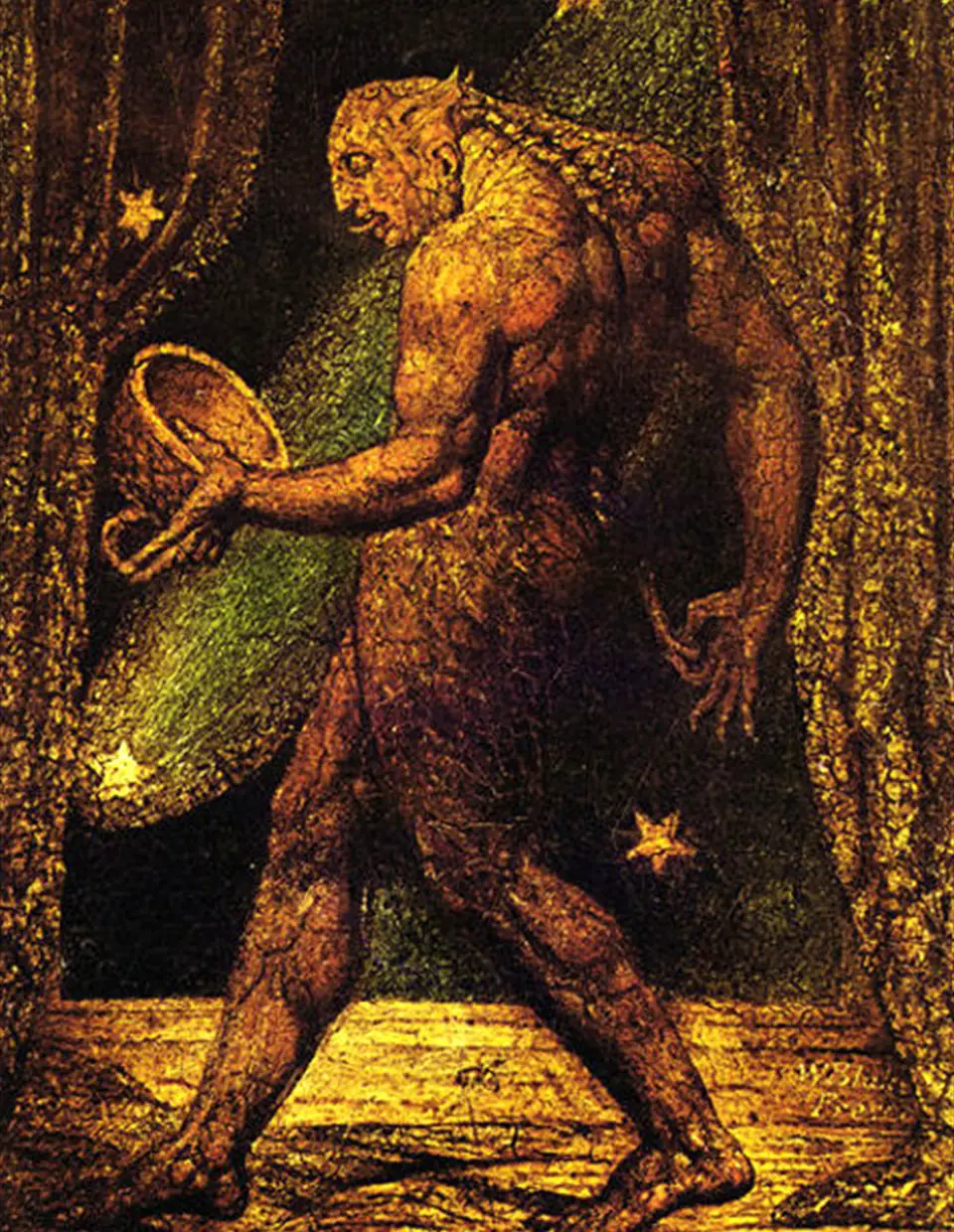
The name Lucifer comes from Latin: lux (light) and ferre (to bring). It literally means “Bringer of Light.” Long before he was painted as a devil, Lucifer was a symbol of illumination, knowledge, and liberation.
In the beginning, humanity was weak.
The first people trembled through long, endless nights. Without fire, they could not warm themselves, cook their food, or light the dark. They huddled together, hungry and afraid, while a “holy” god demanded worship and obedience but offered no help.
Then came Lucifer — the Light-Bringer.
He saw humanity suffering and refused to turn away. Defying the tyranny of heaven, he brought fire to humankind: warmth against the cold, light against the night, and the spark of knowledge and progress. For this act of compassion and rebellion, he was cast out and demonized — but his gift could not be undone. Humanity survived, thrived, and began to shape its own destiny.
For this act of rebellion and compassion, he was cast out—demonized as “Satan,” condemned for giving humanity what the heavens would not. Yet his fire never went out. In this vision, Lucifer is not the destroyer but the protector: a symbol of courage, freedom, and enlightenment, standing with humanity since the beginning.
Meanwhile, the “holy” God—often seen as good—was the one inflicting plagues, punishments, and suffering to enforce obedience. In this telling, it is not Lucifer who is the enemy, but the liberator who risked everything to awaken humankind.
Lucifer is not the darkness. He is the light.