
Gremory: The 56th Spirit of the Ars Goetia
Gremory, also called Gamory, Gomory, or Gemory, appears as the fifty-sixth spirit in the Ars Goetia of the Lesser Key of Solomon.
She is a Duchess of Hell, ruling twenty-six legions of spirits and commanding deep insight into love, hidden truths, and treasure.
Her legend reflects the Renaissance blending of theology, mysticism, and early occult science.
Origins and Historical Context
The Gremory Ars Goetia account originates from seventeenth-century grimoires that synthesized Christian, Jewish, and pagan esoteric traditions.
These texts formed structured hierarchies of demons, mirroring celestial orders of angels.
Gremory’s inclusion reveals medieval fascination with knowledge beyond sanctioned theology.
Earlier demonologists, notably Johann Weyer in Pseudomonarchia Daemonum (1577), mention her as a duke of similar character and authority.
Her name lacks clear linguistic roots, implying a Renaissance invention derived from symbolic or phonetic creation.
Through such works, Gremory became part of a broader intellectual exploration of forbidden wisdom.
Appearance and Symbolism
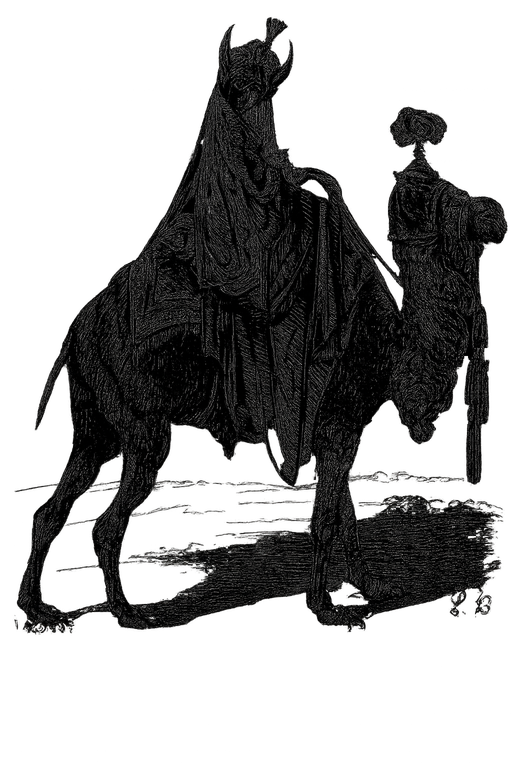
The Ars Goetia describes Gremory as a beautiful woman wearing a duchess’s crown around her waist while riding a great camel.
This image blends elegance and power, emphasizing her noble yet foreign aura.
The camel, an emblem of endurance and exotic travel, links her to distant lands and secret knowledge.
Her distinctly feminine form contrasts with many masculine or androgynous spirits in Goetic lore.
That difference underlines her role as a spirit of attraction and insight, embodying the allure of concealed truth.
Powers and Attributes
Gremory governs the domains of divination, affection, and discovery.
She reveals hidden things—truths of the past, present, and future—when properly invoked.
This prophetic function made her valuable to occult scholars seeking knowledge beyond mortal reach.
She can also procure love from women, influencing emotion and attraction with subtle force.
Medieval texts associate this ability with the era’s fascination for magical control of desire.
Finally, Gremory is said to disclose hidden treasures, symbolizing wealth as both material and spiritual illumination.
Unlike destructive spirits, Gremory embodies guidance, not chaos.
Her gifts of vision and persuasion made her an archetype of intellectual and emotional influence.
Role in the Goetic Hierarchy
Within Hell’s structure, Gremory ranks as a Duchess under the rule of Amaymon, governing twenty-six legions.
This rank implies both authority and refinement, aligning her with the administrative order of infernal nobility.
Grimoires describe her obedience when summoned under divine names, reinforcing belief in sacred supremacy.
Goetic magicians viewed her as a mediator between the spiritual and the sensual realms.
By invoking her, they sought wisdom through desire—a concept both mystical and transgressive in early modern thought.
Context in Occult Tradition
Texts like the Ars Goetia served dual roles: ritual manuals and philosophical allegories.
Their detailed hierarchies reflected the human need to categorize unseen powers.
Practitioners—often scholars or clerics—approached such spirits cautiously, seeking knowledge, affection, or prosperity through formal invocation.
Gremory’s prominence as a female demon revealed cultural anxieties about attraction and influence.
Her charm symbolized temptation, yet her insight promised enlightenment.
Thus, she embodied the paradox of wisdom intertwined with desire, a recurring theme in Renaissance occultism.
Symbolic and Cultural Meaning
Gremory’s imagery fuses feminine beauty with exotic strength.
Her camel suggests endurance through spiritual journeys, while her crown marks infernal nobility.
This combination reflects the medieval view of knowledge as a distant treasure reached through persistence.
Her ability to reveal hidden things parallels the quest for alchemy and prophecy—disciplines seeking divine secrets in forbidden ways.
Through Gremory, these aspirations took a personified form: alluring, intelligent, and perilous.
She also mirrors the Renaissance reconciliation of faith and curiosity, where forbidden insight could signify either sin or brilliance.
Legacy and Influence
Although not as famous as Lucifer or Asmodeus, Gremory endures within Western demonological study.
Her consistent portrayal in the Ars Goetia and Pseudomonarchia Daemonum preserved her authority through centuries of occult writing.
Later esoteric traditions retained her symbolism of love, divination, and revelation.
Modern demonological scholarship regards her as a figure of psychological and mythological significance rather than literal evil.
Through her, historians trace the enduring human fascination with beauty, mystery, and control over destiny.
Conclusion
Gremory, the fifty-sixth spirit of the Ars Goetia, exemplifies intellect joined with attraction.
As a Duchess of Hell, she commands respect, revealing hidden knowledge and inspiring human emotion.
Her camel and crown evoke endurance, sovereignty, and allure—symbols of wisdom gained through perilous pursuit.
Rooted in medieval demonology, Gremory remains a lasting emblem of the boundary between revelation and temptation.