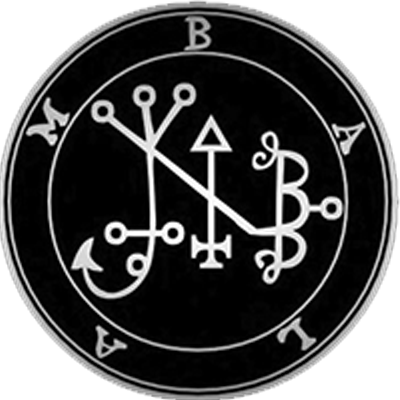
Who is Balam?
Balam (also spelled Balaam or Balan) is a demon described in medieval grimoires, particularly the Ars Goetia section of The Lesser Key of Solomon (Lemegeton Clavicula Salomonis), a 17th-century grimoire of demonology. He is ranked as the 51st spirit in the hierarchy of 72 demons summoned by King Solomon. Balam appears as a three-headed being: a bull, a man, and a ram, often riding a bear while carrying a goshawk. He is associated with the powers of invisibility, granting knowledge of the past, present, and future, and inducing cunning or wit in the summoner. In some texts, he is linked to the planet Mars and the direction of the south.
Important Disclaimer: This information is drawn from historical occult texts and is presented for educational or fictional purposes only (e.g., in role-playing games like D&D or literature). Attempting any form of ritual summoning is not scientifically verifiable, can be psychologically harmful, and may violate personal or legal boundaries. It’s akin to folklore or mythology—treat it as such. If you’re dealing with mental health concerns, consult a professional.
Historical Context
The rituals for summoning Balam originate from Renaissance-era demonology, influenced by Kabbalistic and Solomonic traditions. These were not meant for casual use but for advanced practitioners in a religious framework, often requiring purity, faith, and protection against spiritual backlash. Modern interpretations appear in occult works like Aleister Crowley’s The Book of Thoth or Joseph Peterson’s editions of the Lesser Key. No empirical evidence supports their efficacy; they’re symbolic or psychological exercises at best.
General Preparation for Goetic Summoning
Before any ritual, traditional texts emphasize:
Spiritual Purity: Abstain from sex, meat, and alcohol for days or weeks. Confess sins and perform baptisms or exorcisms on yourself and tools.
Timing: Perform at night, ideally during a waxing moon or on Tuesdays (Mars’ day). Use a lunar calendar for precision.
Location: A secluded, protected circle in a clean room, facing south (Balam’s direction).
Mindset: Absolute command and faith; doubt invites “failure” per the texts.
Tools and Materials
Gather these items, consecrated (blessed) beforehand:
Protective Circle: Chalk or flour to draw a 9-foot diameter circle with divine names (e.g., Tetragrammaton, Adonai) inscribed around it.
Triangle of Art: Outside the circle, a triangle for the spirit to manifest, with Hebrew letters or sigils.
Incense: Dragon’s blood, myrrh, or frankincense.
Robes and Tools: White linen robe, a black-handled knife (athame), virgin parchment, quill, and blood ink (your own or symbolic).
Balam’s Sigil: Draw this on parchment (search for “Balam Goetia sigil” for visuals—it’s a complex glyph resembling intertwined horns and eyes).
Step-by-Step Ritual (Based on the Ars Goetia)
This is a condensed adaptation from the original Latin text, translated in modern editions like S.L. MacGregor Mathers’ 1904 version. Perform at your own symbolic risk.
Consecration (30-60 minutes):
Bathe in salt water while reciting Psalms 8, 50, or 91 for protection.
Anoint tools with holy oil (olive oil blessed with prayer).
Drawing the Circle:
In a dark room, draw the protective circle with the knife. Step inside naked or robed.
Place the Triangle of Art 3 feet outside, with Balam’s sigil in the center.
Light two candles at the circle’s edges; burn incense in a censer.
Invocation (Recite Aloud):
Face east, hold the sigil, and intone the general Goetic call (from the grimoire):
“I do invocate and conjure thee, O Spirit Balam; and being with power armed from the Supreme Majesty, I do strongly command thee, by Beralanensis, Baldachiensis, Paumachia, and Apologiae Sedes; by the most Powerful Princes, Genii, Liachidae, and Ministers of the Tartarean Abode; and by the Chief Prince of the Seat of Apologia in the Ninth Legion, I do invoke thee, and by invocating conjure thee. And being armed with power from the Supreme Majesty, I do strongly command thee, by Him Who spake and it was done, and unto whom all creatures be obedient… Appear thou now before this Circle in a fair human shape, without any deformity or tortuosity. Come thou! In the Name Adonai, Elohim, Ariel, and an Eternal Exorcism of the Divine Names… Come thou! For it is the Command of the Most High Creator!”
Specifically for Balam, add:
“Balam, King of the East, who ridest upon a bear, and hast three heads: one as a bull, one as a man, one as a ram; who bearest a hawk upon thy fist, and speakest with a hoarse voice: I do summon, stir up, and call thee forth from thy dwelling place… Grant unto me thy grace, and appear visible to my sight without terror or deformity.”
Manifestation:
Gaze into the Triangle. You may sense presences, visions, or auditory phenomena (hallucinations from trance/fatigue).
Command politely but firmly: “Balam, I command thee to answer truly concerning [your question, e.g., hidden knowledge].”
Communication and License to Depart:
Ask questions (limit to 3-5). Record responses.
Dismiss: “O thou Spirit Balam, because thou hast diligently answered unto my demands, I do license thee to depart unto thy proper place… Peace be unto thee!”
Closing:
Extinguish candles counterclockwise. Erase the circle from west to east.
Bury or burn the sigil. Thank protective forces (e.g., angels Michael, Raphael).
Variations and Modern Takes
Crowleyan Method: Use Enochian calls from The Vision and the Voice for a Thelemic twist, emphasizing will over fear.
Psychological Interpretation: Modern occultists (e.g., in Chaos Magick) view this as active imagination—use visualization apps or journals instead of rituals.
Warnings in Texts: The grimoire stresses Balam can lie or deceive if not commanded perfectly. Historical accounts (rare) describe tempests or madness as “backlash.”