
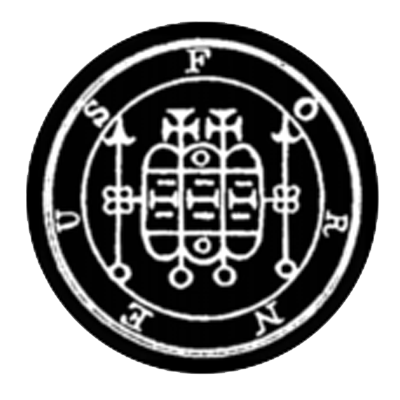
Who is Forneus?
Forneus is a Great Marquis of Hell, described in the 17th-century grimoire The Lesser Key of Solomon (also known as the Lemegeton Clavicula Salomonis). He is the 30th spirit in the Ars Goetia section, commanding 29 legions of spirits. Forneus appears as a great sea monster but takes on a human form at the summoner’s request—often depicted as a handsome man with a fish-like tail or amphibian features. His powers include:
- Teaching rhetoric, languages, and eloquent speech.
- Making the summoner beloved by friends and foes alike.
- Granting knowledge of liberal sciences and the arts.
He is considered relatively benevolent among demons, more focused on intellectual and social benefits than destruction. However, as with all Goetic spirits, summoning involves risks like psychological strain or unintended consequences if mishandled.
Preparation for the Ritual
Summoning Forneus follows traditional Goetic evocation protocols. This is not casual magic—approach with serious intent, as historical texts warn of backlash from improper rituals. You’ll need:
- Tools and Materials:
- A consecrated circle (drawn with chalk or flour, about 9 feet in diameter).
- Protective triangle of art (outside the circle for the spirit to manifest).
- Black-handled knife or wand for tracing sigils.
- Incense: Myrrh or sea-related scents (e.g., frankincense mixed with salt).
- Offerings: Sea salt, a fish bone, or symbolic items like a quill for writing/speech.
- Robes: White or black, symbolizing purity or authority.
- The Ars Goetia text (or a reliable edition) for the exact conjuration.
- Timing: Best during the hour of Venus (Friday, dawn or evening) or when the Moon is in Pisces (water sign aligning with his aquatic nature). Avoid Mercury retrograde.
- Mental State: Fast for 24 hours beforehand. Meditate on your intent (e.g., “Grant me mastery of languages”). Banish doubts—fear can disrupt the working.
Step-by-Step Summoning Ritual
This is adapted from the Ars Goetia. Perform in a quiet, isolated space at night. Safety first: Have a banishing ritual ready (e.g., Lesser Banishing Ritual of the Pentagram) in case things go awry.
- Purification and Setup:
- Bathe in salt water to cleanse.
- Draw the circle clockwise with your knife, inscribing the Names of Power (e.g., Adonai, Elohim) around it. Inside, place your triangle with Forneus’s sigil (a serpentine sea creature with wings—search for “Forneus sigil” for visuals).
- Light candles at the four quarters (white for protection).
- Invocation:
- Enter the circle (do not step out once started).
- Recite the Preliminary Invocation (from the Heptameron or Goetia): “I conjure thee, O Forneus, by the power of the Most High, and by the names Adonai, El, Elohim, Elohi, Ehyeh Asher Ehyeh, Zabaoth, Elion, Iah, Tetragrammaton, Shaddai, Lord God Most High, I do exorcise thee and command thee to appear before me in this triangle, visible and affable, without deformity or terror.”
- Sigil and Call:
- Stare at Forneus’s sigil in the triangle while vibrating his name: “FOR-NE-US” (three times, building intensity).
- Burn the incense and offer: “Forneus, Marquis of the Infernal Empire, I call thee from the depths of the sea to grant [state your specific request, e.g., ‘eloquence in debate’]. Appear peaceably and truthfully!”
- Manifestation and Communion:
- Wait silently. He may appear as mist, a voice, or a figure in the triangle. If he manifests, greet him respectfully: “Welcome, Forneus, spirit of the waters.”
- Negotiate: Ask your questions or requests directly. He communicates telepathically or via visions. Offer payment (e.g., “In return, I vow to [ethical act, like teaching others knowledge]”).
- Duration: 15-30 minutes max. Do not prolong.
- Dismissal and Closing:
- Thank him: “Depart in peace, Forneus, to thy abodes and habitations, harming none.”
- Recite: “By the power of the Names, I license thee to depart.”
- Erase the circle counterclockwise. Perform a banishing: Clap hands, visualize white light filling the space.
Warnings and Ethics
- Risks: Even “friendly” demons like Forneus can overwhelm the unprepared, leading to obsession or misleading advice. Historical accounts (e.g., in Pseudomonarchia Daemonum by Johann Weyer) note tempters among them.
- Modern Views: Occultists like Aleister Crowley adapted these in The Book of Thoth, emphasizing psychological integration over literal summoning. Skeptics see it as self-hypnosis.