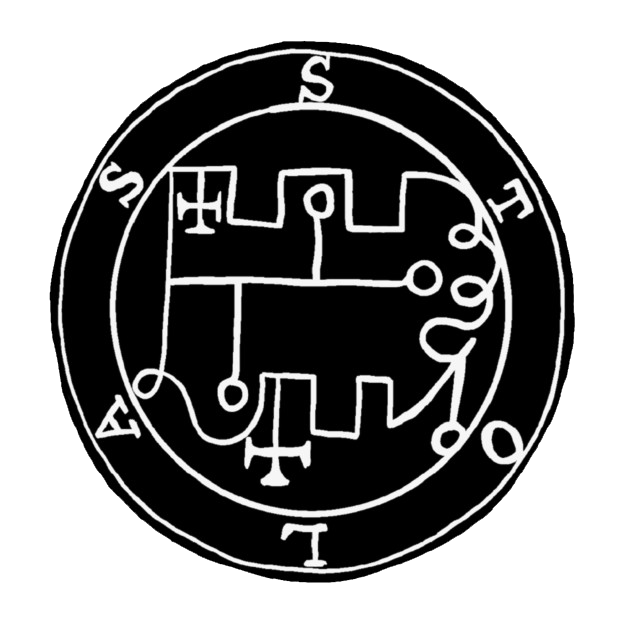
Stolas (also known as Stolos, Solas, or the Owl Demon) is the 36th spirit listed in the Ars Goetia, a section of the 17th-century grimoire The Lesser Key of Solomon. He is described as a Great Prince of Hell who commands 26 legions of demons. Originally a fallen angel, Stolas appears first as a long-legged owl or raven wearing a crown, then shifts to a human form (often depicted with round glasses). He is renowned for teaching astronomy, the properties of herbs (including poisonous plants), and the value of precious stones. Unlike more aggressive Goetic spirits, Stolas is generally considered pacifistic, helpful, and patient—making him a popular choice for beginners in demonolatry or occult practices. Modern practitioners often view him as a guide for intellectual pursuits, cosmic insight, and natural magic rather than a malevolent force.
Note: These rituals stem from historical grimoires and contemporary occult interpretations. They are symbolic and psychological in nature for many today, but approach with respect, preparation, and personal boundaries. If you’re new, study ethics in spirit work and consider protective measures like grounding or warding.
Traditional Method from the Ars Goetia
The Lesser Key of Solomon outlines a complex evocation ritual for all 72 spirits, including Stolas. This is not a casual process—it’s a multi-day ceremony requiring purity, tools, and authority over spirits (via Solomon’s lore). Here’s a summarized version based on the text:
Preparation (Days 1-8):
Fast and abstain from worldly pleasures for 8-9 days to purify yourself.
Prepare a magic circle: Draw a 9-foot diameter circle on the ground with chalk or flour, inscribed with divine names (e.g., Tetragrammaton, Adonai). Inside, place a triangle of art (for the spirit to appear). Surround it with protective symbols like the Seal of Solomon.
Tools needed: A black-handled knife (athame), virgin parchment with Stolas’s sigil (see below), incense (frankincense or myrrh), a black mirror or crystal for scrying, and a robe of white linen.
Timing and Location:
Best during his planetary hour (Jupiter, Thursdays, around midnight). Astrologically linked to Pisces and mid-March.
Perform in a secluded, clean space under the stars if possible, to honor his astronomical domain.
The Evocation:
Enter the circle at the appointed hour. Face east and recite the Preliminary Invocation (a long prayer calling on God’s power to bind spirits).
Burn incense and hold Stolas’s sigil. Chant his conjuration three times:
“I do invocate and conjure thee, O Spirit Stolas; and being with power armed from the Supreme Majesty, I do strongly command thee, by Beralanensis, Baldachiensis, Paumachia, and Apologiae Sedes; by the most Powerful Princes, Genii, Liachidae, and Ministers of the Tartarean Abode; and by the Chief Prince of the Seat of Apologia in the Ninth Legion, I do invoke thee, and by invocating conjure thee. And being armed with power from the Supreme Majesty, I do strongly command thee, by Him Who spake and it was done, and unto whom all creatures be obedient… Appear thou visibly before this Circle in a fair human shape, without any deformity or tortuosity. Come thou peaceably, visibly, and affably, now and without delay, manifesting that which I shall desire.”
Gaze into the triangle; Stolas may appear as an owl before taking human form.
Communication and Dismissal:
Ask questions about stars, herbs, or stones. Offer no soul-binding pact unless intended—Stolas teaches freely if respected.
Dismiss with: “O thou Spirit Stolas, because thou hast diligently answered unto my petitions, and hast been very ready and willing to come at my call, I do hereby license thee to depart unto thy proper place… In the name of the Father, and of the Son, and of the Holy Ghost. Amen.”
Erase the circle counterclockwise.
This method emphasizes control and divine authority, reflecting medieval Christian demonology. It’s elaborate and not beginner-friendly—many report it as psychologically intense.
Modern, Simplified Invocation (Demonolatry Approach)
Contemporary practitioners (e.g., in Reddit’s r/DemonolatryPractices or modern grimoires like S. Connolly’s Daemonolatry Goetia) favor respectful, relationship-building methods over coercive rituals. Stolas is seen as a chill, patient teacher—ideal for beginners. Focus on offerings and intent rather than commands.
Materials:
Sigil: Draw or print Stolas’s seal (a looped, geometric symbol resembling intertwined knots—search for “Stolas sigil Ars Goetia” for visuals).
Altar Items: Blue/silver candle (for cosmic clarity), owl feather or statue, herbs like mugwort or oleander (poisonous—use safely or substitute lavender), a clear quartz crystal (for stones), and star chart.
Offerings: Cedar or sandalwood incense; poetry about stars; a small gem (e.g., amethyst); black tea or wine. Avoid blood or anything coercive.
Optional: Sacred oil—mix olive oil with star anise and frankincense for anointing.
Steps (30-60 Minutes):
Set Sacred Space: Cleanse with sage smoke. Create a simple circle with salt or visualize one. Place the sigil on your altar under moonlight or starlight.
Ground and Center: Meditate for 5 minutes, focusing on your intent (e.g., “I seek knowledge of the stars”). Anoint yourself or the sigil with oil.
Invocation Mantra: Light the candle and incense. Chant softly 3-7 times:
“Stolas, Prince of the Night Sky, Owl of Hidden Wisdom, I call to you with respect and open heart. Teacher of herbs, stones, and celestial paths, come if you will, share your light with me. Laye, Stolas, laye.”
(The word “Laye” is a traditional Goetic call for appearance.)
Communicate: Sit quietly. Journal questions or use a pendulum/divination tool. Signs of presence: Owl calls outside, sudden star knowledge, or a calm, scholarly energy.
Offer and Close: Present offerings, thanking him: “Stolas, for your guidance, I offer this [item] in gratitude.” Extinguish the candle. Ground with food/water. Leave offerings out overnight.
Tips from Practitioners:
Personality: Patient, intellectual, and sweet—likes genuine curiosity over demands. Befriending is common; start with prayers before full summoning.
Warnings: Don’t trap him in a triangle (seen as disrespectful). If uneasy, stop and banish with salt/light. Track lunar phases—full moons amplify his energy.
Results: Users report vivid dreams of constellations, herbal insights, or career boosts in science/arts.