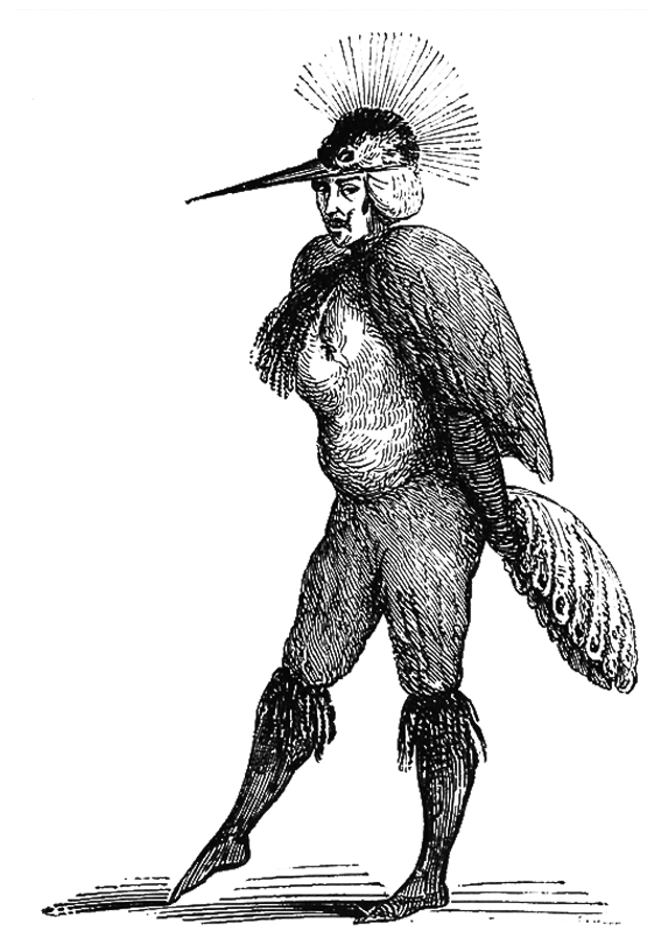
In demonology, Caim (also spelled Caym or Camio) is a figure steeped in the esoteric traditions of Western occultism. Known primarily through medieval grimoires like the Ars Goetia, a section of the 17th-century text The Lesser Key of Solomon, Caim is a demon of considerable intrigue. Described as a president of Hell, commanding thirty legions of spirits, Caim is a complex figure associated with knowledge, communication, and transformation. This article explores Caim’s origins, characteristics, and role in demonological lore, drawing on historical texts and their cultural context.
Origins in Demonology
Caim appears in the Ars Goetia, a foundational text for students of demonology compiled in the mid-17th century, though its roots trace back to earlier European magical traditions. The Ars Goetia lists seventy-two demons, each with specific ranks, abilities, and sigils used to summon and control them. Caim is the 53rd demon in this hierarchy, reflecting the structured cosmology of the infernal realms in medieval occult thought. His name may derive from older linguistic roots, potentially linked to biblical or apocryphal figures like Cain, though direct connections remain speculative.
The Ars Goetia draws heavily from earlier works, such as Johann Weyer’s Pseudomonarchia Daemonum (1577), which also describes Caim. These texts were written during a period when Christian theology heavily influenced demonological frameworks, blending Jewish, Christian, and pre-Christian mythologies. Caim, like many demons in these grimoires, likely represents a syncretic figure, combining elements of older pagan deities or spirits with Christian demonological interpretations.
Characteristics and Appearance
According to the Ars Goetia, Caim appears initially as a blackbird or thrush before transforming into a man bearing a sharp sword. This avian imagery is significant, as birds often symbolize messengers or intermediaries between realms in various mythologies. The blackbird, in particular, carries connotations of mystery and transformation in European folklore. Caim’s ability to shift forms underscores his association with adaptability and eloquence.
In his human form, Caim is described as a figure of authority, wielding a sword that may symbolize intellectual precision or the power to cut through deception. Some interpretations suggest the sword represents his ability to provide clarity or decisive answers to complex questions. His rank as a president of Hell indicates a high status within the demonic hierarchy, suggesting both power and a capacity for governance over lesser spirits.
Powers and Abilities
Caim is renowned for his intellectual and communicative abilities. The Ars Goetia attributes to him the power to teach the language of birds, animals, and other creatures, granting summoners the ability to understand and interpret natural signs. This skill aligns with medieval beliefs in the symbolic importance of animals as omens or divine messengers. Caim’s linguistic prowess extends to human discourse, as he is said to excel in rhetoric, logic, and argumentation, making him a valuable ally for those seeking to win debates or uncover hidden truths.
Additionally, Caim is credited with the ability to reveal the secrets of the future and provide insight into matters of divination. His knowledge is not limited to mundane affairs; he is said to possess an understanding of divine and occult mysteries, making him a sought-after entity for practitioners of magic. These abilities reflect a broader theme in demonology: demons as repositories of forbidden or esoteric knowledge, accessible only through ritual and negotiation.
Role in Ritual Magic
In the tradition of the Ars Goetia, summoning Caim requires precise rituals, including the use of his sigil—a unique symbol associated with the demon—and protective measures to ensure the summoner’s safety. The sigil, a complex geometric design, serves as a focal point for invoking Caim’s presence. Practitioners are advised to approach him with respect, given his high rank and intellectual nature. The rituals emphasize the importance of a magical circle and triangle to contain and direct the demon’s energy, reflecting the cautious approach medieval magicians took when dealing with infernal beings.
Caim’s cooperative nature is noted in some sources, which describe him as more amenable than other demons. However, like all entities in the Ars Goetia, he is bound by the constraints of the summoning ritual and the will of the practitioner. This dynamic highlights the tension between human agency and supernatural power in occult traditions.
Cultural and Symbolic Significance
Caim’s association with birds and communication invites comparisons to mythological figures like the Norse god Odin, who was linked to ravens as messengers, or the Greek god Hermes, a deity of eloquence and mediation. The demon’s ability to teach the language of animals suggests a bridge between the human and natural worlds, a theme resonant in shamanic and animistic traditions. In a Christian context, however, such powers were often viewed with suspicion, as they challenged the boundaries of divine authority.
The figure of Caim also reflects the medieval fascination with knowledge as both a divine gift and a potential source of corruption. By offering insight into hidden truths, Caim embodies the allure of forbidden wisdom, a recurring motif in Western esotericism. His dual nature—both a teacher and a potentially dangerous entity—mirrors the ambivalence of occult knowledge in the eyes of medieval scholars and theologians.
Caim in Modern Contexts
In contemporary occultism, Caim remains a figure of interest for practitioners of ceremonial magic and those studying demonology. His abilities are particularly appealing to those seeking clarity in communication or insight into complex problems. Modern interpretations often reframe Caim as a psychological archetype rather than a literal demon, representing the pursuit of knowledge or the mastery of persuasive speech.
Conclusion
Caim, the 53rd demon of the Ars Goetia, is a fascinating figure in the landscape of Western demonology. His association with communication, transformation, and esoteric knowledge makes him a compelling subject for those exploring the intersections of mythology, magic, and theology. Whether viewed as a literal entity, a symbolic archetype, or a cultural artifact, Caim embodies the enduring human fascination with the mysteries of the unseen world. His legacy in grimoires and modern occultism underscores the timeless appeal of knowledge, even when it comes with a hint of danger.