
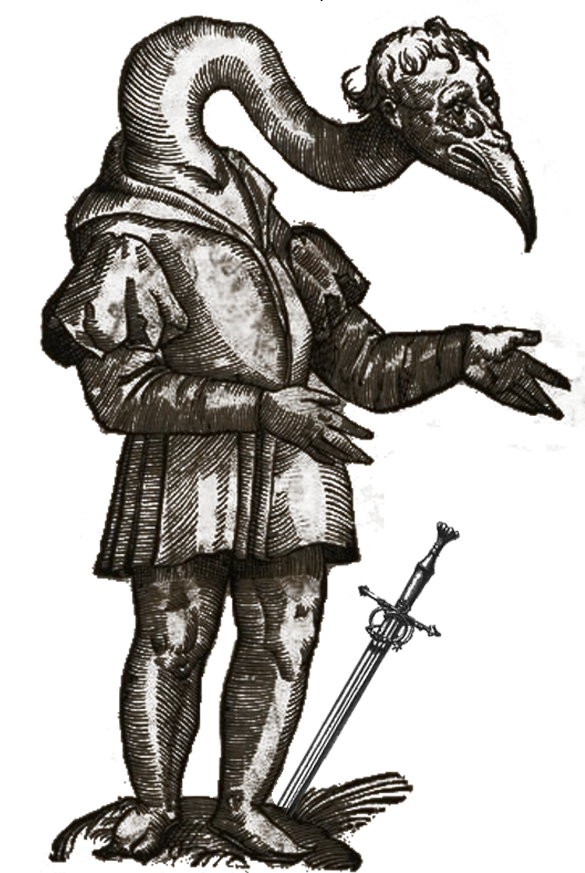
Introduction: Halphas, the Architect of Infernal War
In demonology, Halphas (also spelled Halpas, Malthus, or Malthas) is a figure of strategy, strength, and warfare. Known as the 38th spirit in the Ars Goetia, part of the Lesser Key of Solomon, Halphas is one of Hell’s most intriguing commanders. His role as a builder of fortresses and a summoner of armies reflects humanity’s fascination with order, preparation, and conflict within the mystical realm.
This article explores Halphas’s origins, powers, symbolism, and significance in both historical grimoires and modern occult traditions.
Origins in Demonology
Halphas appears in the Ars Goetia, the first section of the 17th-century grimoire The Lesser Key of Solomon, which catalogs 72 demons bound by King Solomon’s authority. These texts blend Christian, Jewish, and pre-Christian mystical traditions, forming one of the foundations of Western occultism.
Described as a Great Earl of Hell, Halphas commands 26 legions of spirits, placing him among the more powerful infernal ranks. His characterization reflects the medieval tendency to organize spiritual and infernal forces into structured hierarchies, mirroring earthly orders of power and command.
The Ars Goetia itself draws from earlier sources such as Johann Weyer’s Pseudomonarchia Daemonum (1577) and other Renaissance occult texts. These works transformed ancient mythic ideas into a detailed taxonomy of spirits, assigning each demon distinct attributes and powers.
Appearance and Characteristics
According to the Ars Goetia, Halphas appears as a stock dove or stork, often with a harsh, hoarse voice. Some accounts say he can take human form when commanded. His avian aspect carries deep symbolic meaning — a paradoxical image of a peaceful creature representing a master of war.
In the infernal hierarchy, Halphas’s domain is warfare, defense, and strategy. His 26 legions serve under his command, emphasizing his authority and military expertise. Though demonic in nature, Halphas embodies the same discipline, foresight, and precision found in great generals.
Powers and Abilities
Halphas’s powers are detailed in the Ars Goetia and related grimoires. His abilities revolve around military construction, organization, and psychological warfare.
Primary Powers of Halphas:
- Builder of Fortresses: Constructs towers and strongholds, filling them with weapons and armor. Symbolizes preparation, structure, and defense.
- Commander of Armies: Summons and deploys warriors to strategic locations, representing control over both physical and spiritual battlefields.
- Master of Deception: Skilled in strategy and manipulation, reflecting the cunning of an experienced warlord.
These traits give Halphas a dual nature — the power to create and to destroy. He is the embodiment of strategic balance: the same intelligence that builds protection can also wage conquest.
Symbolism and Interpretation
Halphas’s animal form — a dove or stork — holds symbolic tension. Doves typically represent peace and communication, while storks symbolize creation and delivery. Yet, Halphas transforms these peaceful images into signs of discipline, foresight, and warcraft.
This paradox captures the essence of Halphas: a builder who constructs for destruction, a strategist whose strength lies in planning. His image reminds occultists that power is not only about battle but also preparation and patience.
In esoteric philosophy, Halphas represents the intellectual foundation of strength. His fortresses can be interpreted symbolically as mental or spiritual defenses — the walls one builds to protect ideas, emotions, or faith.
Halphas in Ritual and Magic
Within Solomonic and Goetic ritual, summoning Halphas requires exact sigils, invocations, and protections. His sigil, drawn on consecrated parchment or metal, acts as a gateway to his presence.
A magician would typically summon Halphas for purposes such as:
- Strategic guidance or clarity in planning.
- Strength in leadership and endurance.
- Protection, both spiritual and physical.
- Mastery of conflict or competition.
In ceremonial magic, Halphas symbolizes calculated control. He grants his influence to those who act with discipline and purpose, but his energy can become dangerous when approached recklessly.
The grimoires warn that demons like Halphas may deceive or test the summoner. His hoarse voice and avian form serve as reminders of both his alien nature and his duality — a being capable of aiding or misleading, depending on intent.
Cultural and Modern Relevance
In modern occultism, Halphas continues to attract attention among practitioners interested in strategy, protection, and mastery of obstacles. His symbolism — fortresses, armies, and cunning — resonates with modern ideas of leadership, resilience, and strategic thought.
Some occultists interpret Halphas as a psychological archetype rather than a literal being: the part of the mind that organizes chaos into order and builds defenses before taking action. In this sense, working with Halphas means developing tactical wisdom and self-discipline.
Outside occult circles, Halphas occasionally appears in fantasy literature, games, and art, often as a winged or bird-like general commanding infernal forces. His mythic resonance — the builder of war — keeps his image alive across creative and esoteric communities alike.
Conclusion: Halphas, the Strategist of the Infernal Realm
Halphas, the 38th demon of the Ars Goetia, embodies the timeless balance between creation and destruction, planning and execution. As a builder of fortresses and a commander of legions, he represents the discipline of preparation and the power of strategy.
In demonology, Halphas stands not merely as a spirit of war but as a symbol of calculated strength — the ability to build defenses, lead wisely, and prevail through foresight. Whether viewed as an archetype of leadership or an infernal architect, Halphas remains a compelling figure in the rich tradition of Western esotericism.