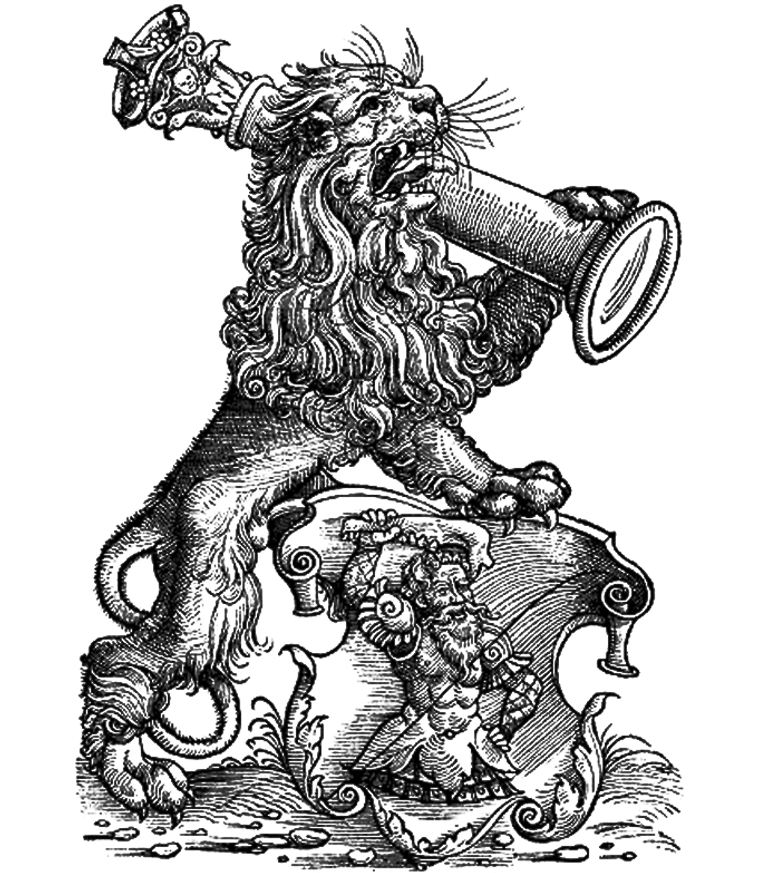
In the intricate tapestry of demonology, Marbas stands as a fascinating figure within the hierarchy of infernal spirits. Known primarily through medieval grimoires like the Ars Goetia, the first book of the Lesser Key of Solomon, Marbas is a demon of considerable power and intrigue. This article explores Marbas’s origins, attributes, roles, and cultural significance, drawing from historical texts and interpretations to provide a comprehensive overview of this enigmatic entity.
Origins and Historical Context
Marbas appears in the Ars Goetia, a 17th-century grimoire that catalogs 72 demons supposedly summoned and bound by King Solomon. The Lesser Key of Solomon, a cornerstone of Western occultism, draws from earlier mystical traditions, including Jewish, Christian, and pagan sources. Marbas is listed as the fifth spirit in this hierarchy, indicating his prominence among the demonic ranks.
The name “Marbas” lacks a clear etymological origin, but some scholars speculate it may derive from pre-Christian deities or spirits, possibly linked to ancient Middle Eastern or Mediterranean mythologies. Like many demons in the Ars Goetia, Marbas’s depiction likely reflects a synthesis of cultural fears, theological constructs, and esoteric knowledge, shaped by the medieval Christian worldview that demonized pagan entities.
Attributes and Appearance
According to the Ars Goetia, Marbas is a Great President of Hell, commanding 36 legions of spirits. His primary form is that of a lion, a symbol of strength, ferocity, and nobility, though he can assume a human shape at the summoner’s request. This duality—bestial and humanoid—underscores his versatility and power, a common trait among Goetic demons, reflecting their ability to transcend physical and metaphysical boundaries.
The lion imagery associated with Marbas may evoke associations with solar deities or regal authority, as lions are often symbolic of divine or kingly power in various mythologies. His ability to shift forms suggests a mastery over illusion and transformation, aligning with his broader powers described in the grimoires.
Powers and Abilities
Marbas is renowned for his diverse and practical abilities, making him a compelling figure for practitioners of ritual magic. The Ars Goetia attributes the following powers to him:
Knowledge of Hidden Things: Marbas can reveal secrets and uncover truths, whether they pertain to hidden treasures, lost knowledge, or obscure events. This makes him a valuable ally for those seeking insight beyond ordinary perception.
Healing and Causing Disease: Marbas possesses the dual ability to cure diseases and inflict them. This duality reflects the medieval understanding of demons as both destructive and potentially benevolent, depending on the summoner’s intent and skill.
Mechanical Arts and Crafts: He is said to grant wisdom in mechanical arts, suggesting an association with practical skills, craftsmanship, or even early forms of engineering. This attribute is particularly intriguing, as it connects Marbas to human ingenuity and creation, a rare trait among infernal spirits.
Transformation: Marbas can transform the summoner or others, either physically or metaphorically, aligning with his shape-shifting nature. This power underscores his role as a manipulator of form and essence.
These abilities highlight Marbas’s multifaceted nature, blending intellectual, physical, and mystical domains. His capacity to both heal and harm positions him as a morally ambiguous figure, whose actions depend on the summoner’s will and the ritual’s context.
Role in Ritual Magic
In the practice of Goetic magic, summoning Marbas requires adherence to strict rituals, as outlined in the Lesser Key of Solomon. Practitioners must prepare a consecrated circle, invoke protective seals, and use specific sigils associated with Marbas. His sigil, a complex geometric design, serves as a focal point for summoning and binding his presence.
Marbas is described as a cooperative spirit, willing to answer questions truthfully when properly invoked. However, like all Goetic demons, he demands respect and caution. Failure to follow ritual protocols could result in deception or harm, as demons are traditionally viewed as cunning and potentially treacherous.
Cultural Significance
Marbas’s depiction reflects broader themes in demonology, particularly the tension between human ambition and divine order. In medieval Christian contexts, demons like Marbas represented forbidden knowledge and the dangers of hubris, yet their powers were sought by alchemists, scholars, and occultists. His association with healing, mechanical arts, and transformation suggests a complex relationship with human progress, embodying both creation and destruction.
In modern occultism, Marbas remains a figure of interest, particularly among practitioners of chaos magic and those exploring the psychological or archetypal interpretations of demons. Some view Marbas as a symbolic representation of inner strength, adaptability, or the pursuit of hidden truths, rather than a literal entity.
Conclusion
Marbas, the lion-demon and Great President of Hell, occupies a unique place in the pantheon of Goetic spirits. His powers of revelation, healing, and transformation, combined with his regal yet fearsome imagery, make him a compelling subject for study. Whether approached as a historical curiosity, a metaphysical force, or a psychological archetype, Marbas embodies the eternal human fascination with the unknown and the forbidden. As with all figures in demonology, his legacy invites both caution and curiosity, reminding us of the delicate balance between power and responsibility in the pursuit of esoteric knowledge.