
Introduction
In the intricate hierarchy of demonology, Naberius—also known as Naberus, Nebiros, or Cerberus—stands out as a figure of intellect and mystery.
Listed in the Ars Goetia, the first section of The Lesser Key of Solomon, Naberius is renowned for his command of eloquence, wisdom, and restoration.
Unlike many infernal spirits associated with chaos or destruction, the Naberius demon embodies transformation through communication and knowledge.
This article explores his origins, attributes, and influence across history, occult philosophy, and modern esoteric practice.
Origins and Historical Context
Naberius first appears in The Lesser Key of Solomon, a 17th-century grimoire rooted in medieval magical traditions.
He is ranked as a Marquis of Hell, commanding nineteen legions of spirits.
This position places him among the most respected and articulate demons of the infernal court.
The name “Naberius” may derive from naberius or Cerberus, the mythic guardian of the Underworld in Greek lore.
This linguistic connection suggests Naberius evolved from pre-Christian symbols of guardianship and passage between worlds.
The association with Cerberus implies mastery over liminality—the threshold between life, death, and transformation.
During the Renaissance, when alchemy, theology, and linguistics intertwined, Naberius became a patron of rhetoric and hidden wisdom.
His depiction as both crow and hound represents a fusion of messenger and guardian—two archetypes central to esoteric symbolism.
Appearance and Attributes
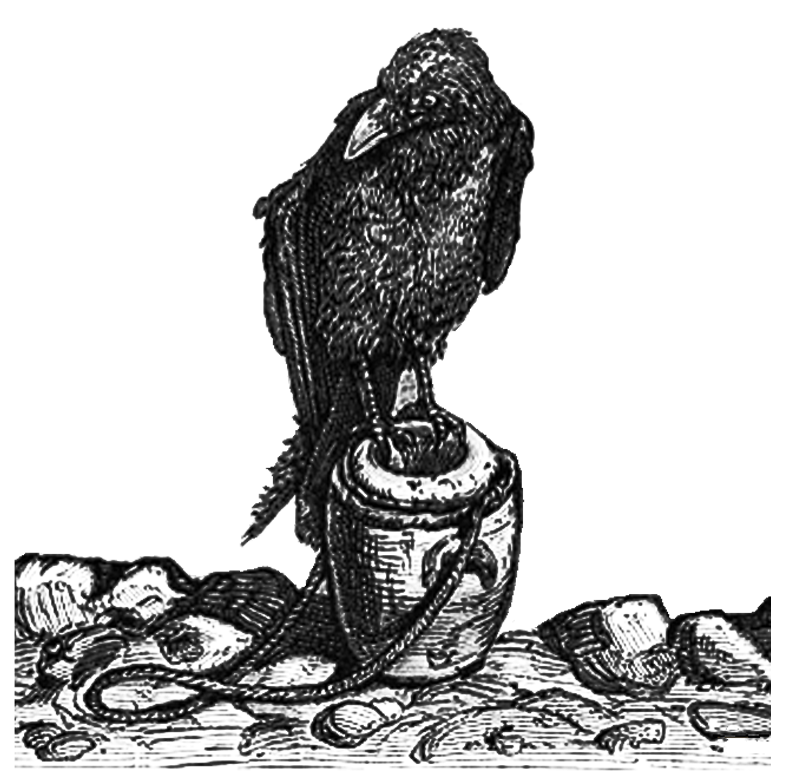
According to the Ars Goetia, Naberius manifests as a black crane or crow with a deep, croaking voice.
In other traditions, he appears as a three-headed dog, echoing the myth of Cerberus.
Despite these unsettling forms, Naberius is not primarily a demon of malice but of eloquence, intellect, and transformation.
The text attributes several remarkable powers to him:
- Eloquence and Persuasion: Naberius grants mastery of speech, rhetoric, and influence, making his summoners persuasive and articulate.
- Knowledge of Arts and Sciences: He imparts insight into philosophy, arts, and occult sciences, expanding intellectual horizons.
- Restoration of Dignity: Naberius restores honor or reputation lost through misfortune or slander, symbolizing redemption.
- Transformation and Illusion: His ability to shift forms embodies adaptability and the capacity to transcend limitation.
These traits align Naberius with both intellectual evolution and spiritual refinement, merging wisdom with renewal.
Symbolism and Interpretation
Naberius’ bird-like form connects him with messengers and liminal beings that move between the worlds of the living and the dead.
Crows and cranes often symbolize intelligence, transformation, and communication with unseen realms.
His Cerberus aspect—guardian of the Underworld—adds a deeper layer of protection and control over spiritual thresholds.
In esoteric philosophy, the Naberius demon represents the power of language to shape reality.
Speech becomes both magic and weapon, capable of creating harmony or deceit.
This theme echoes Renaissance thought, where oratory and persuasion were viewed as divine arts of influence.
His role as restorer of lost honor parallels the alchemical idea of refinement—turning impurity into gold through wisdom and self-mastery.
Thus, Naberius symbolizes the redemption of intellect, transforming ignorance into eloquent understanding.
In psychological terms, he embodies the integration of the shadow through expression.
By mastering communication, one gains control over chaos, channeling inner conflict into clarity and purpose.
Naberius in Ritual and Ceremonial Magic
In traditional Goetic magic, summoning Naberius follows strict ceremonial protocols derived from The Lesser Key of Solomon.
Practitioners employ protective circles, consecrated tools, and the sigil of Naberius, drawn on parchment or engraved on metal.
His invocation typically occurs during the planetary hour of Mercury, the celestial ruler of intellect and speech.
Magicians invoke Naberius to:
- Enhance public speaking and persuasion.
- Strengthen personal confidence and charisma.
- Restore damaged reputations or lost social standing.
- Gain insight into academic or philosophical matters.
Because of his refined nature, Naberius is considered approachable compared to darker entities such as Belial or Andras.
However, his infernal dignity demands respect, discipline, and moral clarity during invocation.
Modern occultists reinterpret the summoning of Naberius as a symbolic or psychological ritual.
Meditating on his sigil or chanting his enn—“Eveta fee Naberius”—is viewed as a method to awaken latent communication skills and insight.
Historical and Esoteric Significance
The prominence of Naberius in the Ars Goetia reflects the Renaissance fusion of linguistic mastery and occult philosophy.
In a period when speech equated to power, demons like Naberius embodied the human desire to command language itself.
Esoteric scholars view him as the daemon of rhetoric, linking him to ancient figures such as Hermes and Thoth.
Like them, he governs knowledge, diplomacy, and the exchange of ideas between divine and mortal realms.
Naberius’ nineteen legions suggest structured intelligence—a hierarchy of disciplined knowledge rather than chaotic malice.
This distinction positions him as a guardian of wisdom, a being who tests intellectual integrity and moral purpose.
In later occult writings, such as Francis Barrett’s The Magus (1801), spirits akin to Naberius appear as guides of eloquence and moral refinement.
His enduring appeal lies in his balance of danger and enlightenment—a reminder that speech, like power, demands responsibility.
Cultural Impact and Modern Interpretations
Though less famous than Beelzebub or Asmodeus, Naberius continues to influence literature, music, and contemporary occultism.
Modern novels and games inspired by Goetic lore often depict him as a charismatic teacher or trickster, capable of elevating or corrupting humanity through words.
In occult practice today, Naberius is invoked by students, speakers, and leaders seeking mental clarity or persuasive strength.
Some practitioners connect him with Mercurial energies, using his sigil in rituals for communication and creative success.
In symbolic terms, he represents the human capacity for reinvention—the rebirth of identity through wisdom and expression.
His myth endures because it speaks to a timeless truth: words create worlds.
Conclusion
Naberius, the Marquis of Hell and master of eloquence, occupies a unique role in demonology as a guardian of intellect and transformation.
From his roots in the Ars Goetia to his modern reinterpretations, he bridges the divide between darkness and enlightenment.
His powers of persuasion, knowledge, and restoration reveal the spiritual depth hidden within the art of communication.
Whether viewed as a literal entity, a psychological archetype, or a symbol of the transformative power of language, Naberius demon remains a profound figure in occult thought.
He embodies the eternal quest to refine the self, master the word, and transcend the boundaries of ignorance.