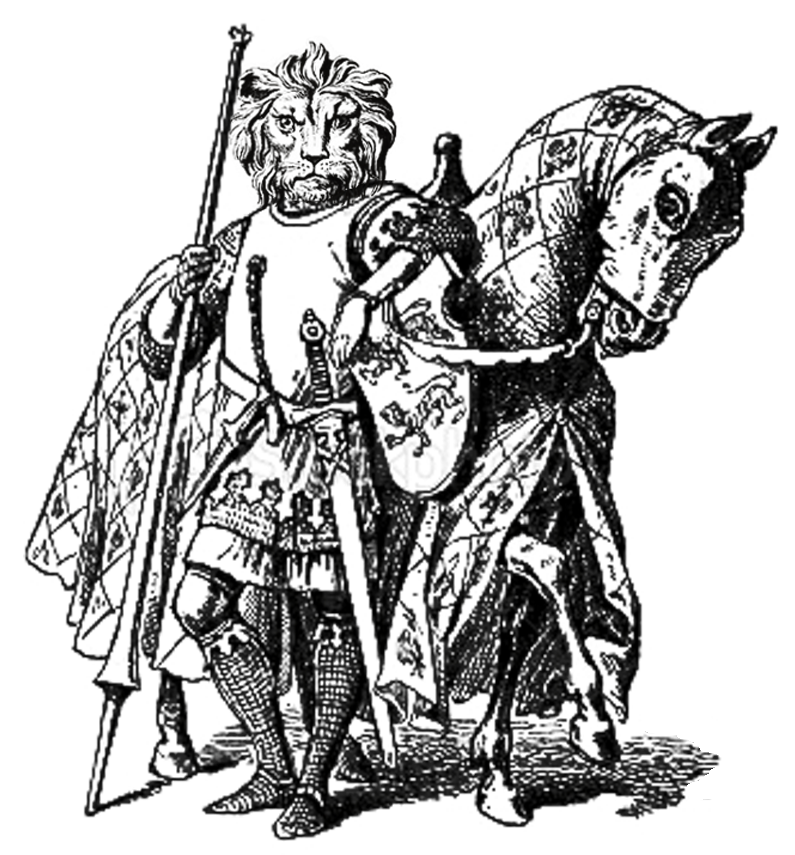
Sabnock, also known as Sabnocke, Sabnac, or Savnock, is a demon described in medieval grimoires and demonological texts, most notably the Ars Goetia, a key section of the 17th-century grimoire The Lesser Key of Solomon. As a figure in Western occultism, Sabnock occupies a unique place in the hierarchy of demons, associated with martial prowess, protection, and destruction. This article explores the origins, attributes, and cultural significance of Sabnock, shedding light on his role in demonology and his enduring presence in esoteric traditions.
Origins in Demonological Texts
Sabnock is primarily known from the Ars Goetia, where he is listed as the 43rd of the 72 demons allegedly summoned by King Solomon. The Ars Goetia, compiled in the mid-17th century, draws from earlier European magical traditions, blending Jewish, Christian, and pagan influences. Sabnock’s description in this text provides the foundation for his depiction in later works, such as Pseudomonarchia Daemonum by Johann Weyer and Dictionnaire Infernal by Collin de Plancy.
In these grimoires, demons are organized in a hierarchical structure, each with specific ranks, powers, and attributes. Sabnock is described as a Marquis, a noble rank in the infernal hierarchy, commanding 30 legions of lesser spirits. His title as Marquis suggests authority and influence, aligning with his martial and protective characteristics.
Attributes and Powers
According to the Ars Goetia, Sabnock appears as an armed soldier with a lion’s head, riding a pale horse. This imagery evokes strength, ferocity, and regality, as the lion is a universal symbol of power and courage. The pale horse may symbolize death or conquest, further emphasizing Sabnock’s association with warfare.
Sabnock’s primary powers include:
Fortification and Defense: He is said to build high towers, castles, and cities, furnishing them with weapons and fortifications. This ability reflects his role as a protector and strategist, capable of creating impregnable strongholds.
Destruction and Decay: Conversely, Sabnock can cause wounds to fester and rot, leading to death. This dual nature—creation and destruction—highlights his complex role as both a builder and a bringer of ruin.
Military Strategy: As a martial demon, Sabnock is associated with war and tactical expertise, making him a patron of soldiers and commanders in occult traditions.
Subordinate Spirits: Commanding 30 legions, Sabnock wields significant influence, suggesting his ability to orchestrate large-scale endeavors, whether constructive or destructive.
These powers make Sabnock a paradoxical figure, embodying both the creation of defenses and the infliction of harm, a duality common in demonological lore where entities often mirror human complexities.
Symbolism and Interpretation
Sabnock’s lion-headed form and martial attributes align him with archetypes of strength and leadership found in various mythologies. The lion, a symbol of royalty and dominance, suggests Sabnock’s authority, while the pale horse evokes apocalyptic imagery, possibly drawing from Christian traditions like the Four Horsemen of the Apocalypse. His ability to build and destroy reflects the cyclical nature of creation and decay, a theme prevalent in esoteric and philosophical traditions.
In a broader sense, Sabnock may symbolize the human struggle with power and conflict. His capacity to fortify and protect can be seen as a metaphor for resilience and preparation, while his destructive abilities warn of the consequences of unchecked aggression or neglect. Occultists and scholars interpret Sabnock as a force of balance, embodying the necessity of both creation and destruction in the pursuit of strength.
Cultural and Historical Context
Sabnock’s depiction must be understood within the context of medieval and Renaissance demonology, a period when grimoires were used by practitioners of ceremonial magic to summon and control spiritual entities. These texts were often written by scholars and clerics, blending Christian demonology with pre-Christian magical traditions. The Ars Goetia and similar works were not merely catalogs of demons but also reflections of the era’s anxieties about power, war, and the supernatural.
Sabnock’s martial nature likely resonated with a society familiar with constant warfare, feudal conflicts, and the need for fortified structures. His ability to cause wounds to fester may reflect medieval fears of disease and infection, which were poorly understood and often deadly. By invoking Sabnock, practitioners might have sought to harness his power for protection in battle or to curse enemies with misfortune.
Sabnock in Modern Occultism
In contemporary occultism, Sabnock remains a figure of interest for practitioners of ceremonial magic and demonology. Those who work with the Ars Goetia may invoke Sabnock for rituals related to strength, protection, or strategic planning. His dual nature makes him appealing to those seeking balance between constructive and destructive energies. However, as with all demonic entities in the Ars Goetia, working with Sabnock is approached with caution, as his powers are considered potent and potentially dangerous.
Conclusion
Sabnock, the lion-headed Marquis of the Ars Goetia, is a multifaceted demon whose attributes reflect the dualities of creation and destruction, protection and harm. Rooted in medieval demonological traditions, his role as a builder of fortresses and a bringer of decay captures the complexities of power and conflict. Whether viewed as a literal entity or a symbolic archetype, Sabnock continues to intrigue scholars, occultists, and enthusiasts of esoteric lore. His enduring presence in demonology underscores the timeless fascination with the supernatural forces that shape human imagination and experience.