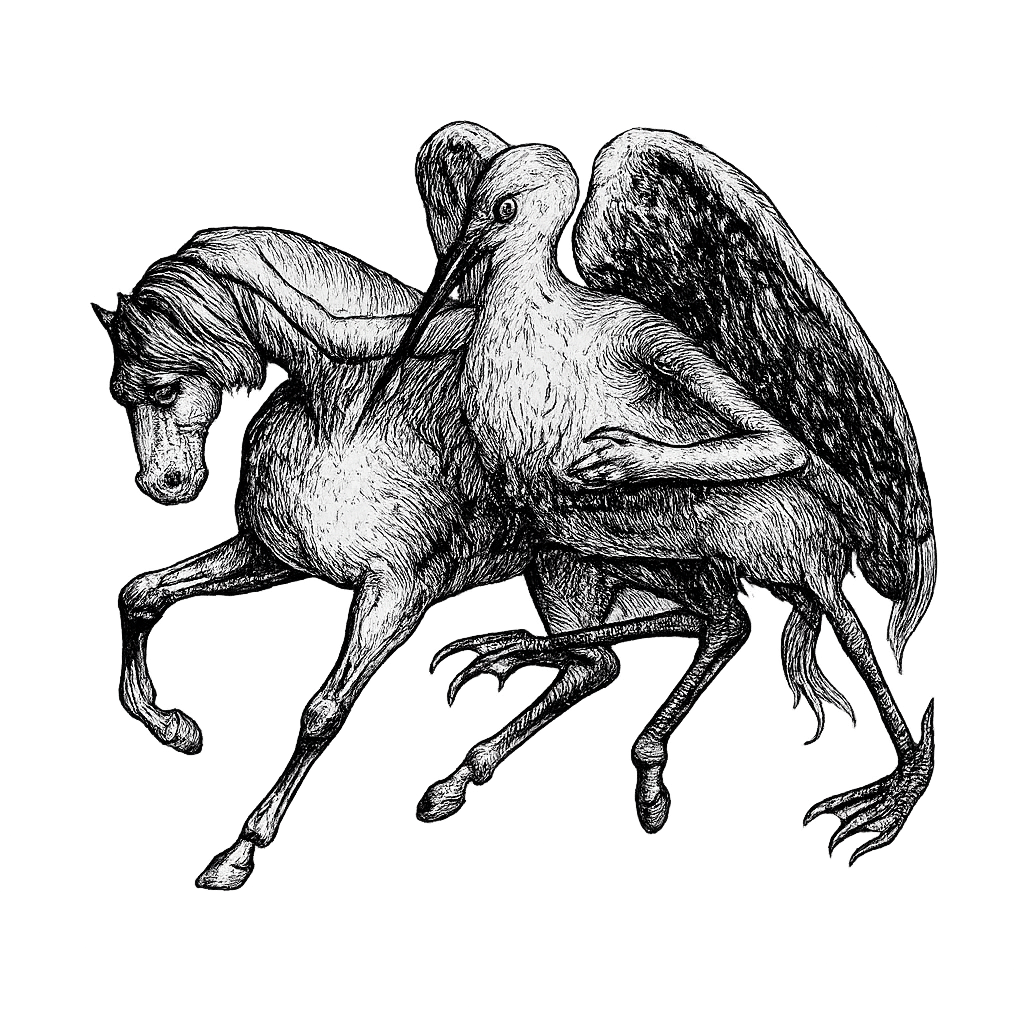
In the rich tapestry of demonology, Shax (also spelled Chax, Shan, Shaz, or Shass) occupies a distinct place as a figure from Western occult traditions. Known primarily through medieval grimoires like the Ars Goetia, a section of the 17th-century text The Lesser Key of Solomon, Shax is a demon whose characteristics and powers have intrigued scholars, occultists, and storytellers for centuries. This article explores the origins, attributes, and cultural significance of Shax, delving into his role within demonological lore and his broader symbolic implications.
Origins in Demonology
Shax appears in the Ars Goetia, a foundational text for those studying Western esotericism. This grimoire, attributed to King Solomon but compiled in the 17th century, catalogs 72 demons, each with specific ranks, powers, and attributes. Shax is listed as the 44th demon, holding the rank of Great Marquis of Hell, commanding 30 legions of infernal spirits. His prominence in this hierarchy underscores his perceived power within the infernal order described by occultists of the time.
The Ars Goetia draws heavily from earlier texts, such as Johann Weyer’s Pseudomonarchia Daemonum (1577), which also mentions Shax. These works reflect a medieval fascination with categorizing supernatural entities, blending Christian demonology with older pagan and folkloric traditions. While the precise origins of Shax as a named entity are unclear, his inclusion in these texts suggests a synthesis of cultural fears and theological constructs, where demons served as personifications of human vices or cosmic opposition to divine order.
Attributes and Powers
According to the Ars Goetia, Shax is described as appearing in the form of a stork, a bird often associated with wisdom or omens in various mythologies, but here imbued with an eerie, otherworldly quality. His voice is said to be hoarse and subtle, adding to his enigmatic presence. The text attributes several powers to Shax, which reflect the desires and anxieties of the era:
Deception and Theft: Shax is said to steal money from kings’ houses and return it after 1,200 years, a curious detail that may symbolize the futility of material wealth or the demon’s ability to manipulate human greed. He can also steal horses, reflecting the value placed on such assets in medieval society.
Destruction of Senses: Shax has the power to take away the sight, hearing, or understanding of any person at the summoner’s request. This ability aligns with the demonological trope of demons as agents of chaos, capable of disrupting human faculties and sowing discord.
Knowledge and Discovery: Like many demons in the Ars Goetia, Shax is paradoxically a source of knowledge. He can reveal hidden things, provided they are not guarded by “wicked spirits,” and is said to provide good familiars—lesser spirits that assist the summoner. This duality of destructive and beneficial powers is a common theme in demonology, reflecting the complex relationship between humans and the supernatural.
Truthfulness Under Constraint: The grimoire notes that Shax will lie unless compelled to speak the truth within a magical triangle, a ritual tool used by practitioners to bind demons. This emphasizes the need for control and caution when dealing with such entities, a recurring theme in occult practices.
Symbolism and Interpretation
Shax’s attributes can be interpreted through various lenses, from psychological to cultural. The stork imagery, for instance, may evoke themes of transformation or duality, as storks are often seen as harbingers of change (e.g., delivering babies in folklore) yet are here twisted into a demonic form. His hoarse voice suggests secrecy or manipulation, aligning with his deceptive nature.
The power to steal wealth or impair senses reflects medieval anxieties about loss—of property, status, or personal agency. In a broader sense, Shax may symbolize the fear of betrayal or the fragility of human control in the face of unseen forces. His ability to grant knowledge and familiars, meanwhile, taps into the human desire for forbidden wisdom, a recurring motif in stories of pacts with demons.
From a psychological perspective, Shax could represent the shadow self—the part of the psyche that harbors deceit, greed, or destructive impulses. His role as a Marquis, a noble rank, further suggests a perversion of authority, where power is used for selfish or chaotic ends rather than societal good.
Shax in Popular Culture
In contemporary occult circles, Shax is sometimes invoked in rituals by practitioners of ceremonial magic, though such practices are niche and controversial. His depiction in popular culture tends to amplify his sinister aspects, portraying him as a manipulative figure who tempts humans with promises of wealth or knowledge only to betray them.
Historical and Cultural Context
The inclusion of Shax in grimoires like the Ars Goetia reflects the medieval and early modern preoccupation with cataloging and controlling supernatural forces. During this period, demons were not merely theological constructs but also cultural symbols of rebellion against divine order. The detailed descriptions of demons’ powers, ranks, and summoning rituals suggest an attempt to impose structure on the chaotic unknown, a hallmark of the era’s intellectual climate.
Shax’s specific attributes, such as stealing from kings or impairing senses, may also reflect social tensions of the time. The emphasis on kings’ wealth could point to critiques of monarchical power or anxieties about economic instability, while the loss of senses might symbolize fears of losing rationality in a world perceived as increasingly unpredictable.
Conclusion
Shax, as a demon of the Ars Goetia, is a fascinating figure who encapsulates the complexities of medieval demonology. His blend of destructive and revelatory powers, combined with his enigmatic stork form, makes him a compelling symbol of deception, forbidden knowledge, and the precarious balance between human ambition and supernatural danger. Whether viewed as a literal entity, a psychological archetype, or a cultural artifact, Shax continues to intrigue those who explore the shadowy corners of myth and occultism. His legacy reminds us of humanity’s enduring fascination with the unknown and the allure of powers that come at a perilous cost.