Valac, also spelled Valak, Volac, or Ualac, is a demon whose name appears in various grimoires and occult texts, most notably the Ars Goetia, a section of the 17th-century grimoire The Lesser Key of Solomon. Described as a powerful and enigmatic figure in demonology, Valac occupies a unique place in the hierarchy of infernal spirits. This article explores the origins, characteristics, and cultural significance of Valac, shedding light on the demon’s enduring presence in occult lore and modern media.
Origins in Demonology
Valac is listed as the 62nd spirit in the Ars Goetia, a catalog of 72 demons attributed to King Solomon’s command. The Ars Goetia draws from earlier medieval and Renaissance occult traditions, blending Jewish, Christian, and pagan influences. Valac’s name likely derives from older sources, possibly linked to Hebrew or Latin roots, though its exact etymology remains unclear. Some scholars suggest connections to the Latin valere (to be strong) or Semitic terms for power or dominion, reflecting Valac’s commanding presence.
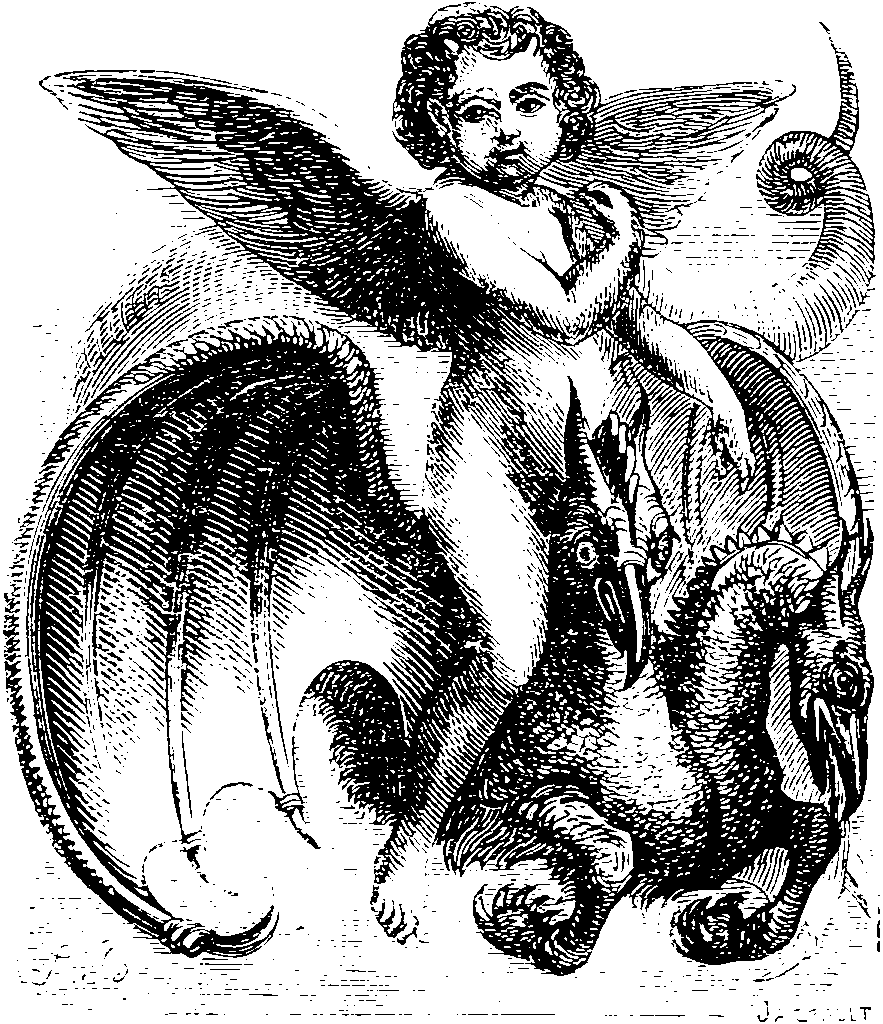
In the Ars Goetia, Valac is described as a President of Hell, governing 38 legions of spirits. This rank places Valac among the higher echelons of the demonic hierarchy, though not as exalted as kings or dukes. The demon is said to appear as a small, angelic child with wings, riding a two-headed dragon. This striking imagery contrasts innocence with malevolence, a common motif in demonology that underscores the deceptive nature of infernal beings.
Characteristics and Powers
Valac’s primary abilities, as detailed in the Ars Goetia, include granting true answers about hidden treasures and revealing the locations of serpents. The demon is also said to provide familiars—supernatural entities that assist practitioners in their magical workings. These powers reflect the practical concerns of Renaissance-era occultists, who often sought wealth, knowledge, and control over natural forces through demonic pacts.
The association with serpents is particularly intriguing. In many cultures, serpents symbolize wisdom, danger, or transformation, and Valac’s ability to locate them may suggest a deeper connection to esoteric knowledge or the underworld. The demon’s childlike appearance, meanwhile, may serve as a warning against underestimating its power, as innocence often masks danger in occult narratives.
Valac in Ritual Magic
In the tradition of Solomonic magic, summoning Valac requires precise rituals, including the use of a magic circle, sigils, and incantations. The Ars Goetia provides Valac’s sigil—a unique symbol used to invoke the demon—and emphasizes the need for the summoner to maintain control through protective measures. Failure to do so could result in deception or harm, as demons like Valac are often portrayed as cunning and opportunistic.
While historical records of Valac’s summoning are scarce, the demon’s inclusion in grimoires suggests it was a figure of interest among practitioners of ceremonial magic. The promise of hidden treasures and supernatural aid would have appealed to those navigating the uncertainties of the early modern period, from alchemists to impoverished nobles.
Interpretations and Symbolism
Valac’s dual nature—appearing as a child yet wielding immense power—invites varied interpretations. In a psychological context, the demon may represent the tension between innocence and corruption or the allure of forbidden knowledge. In a spiritual sense, Valac embodies the risks of engaging with forces beyond human understanding, a recurring theme in occult traditions.
The demon’s association with treasures and serpents also suggests themes of materialism and transformation. Occultists might see Valac as a guide to uncovering inner or outer wealth, while skeptics might view the demon as a metaphor for the dangers of greed and unchecked ambition.
Conclusion
Valac remains a compelling figure in the study of demonology, bridging ancient occult traditions with modern cultural phenomena. Whether viewed as a literal entity, a psychological archetype, or a fictional creation, Valac’s enduring presence speaks to humanity’s fascination with the unknown. From the pages of grimoires to the silver screen, the demon continues to captivate and unsettle, reminding us of the thin line between curiosity and peril in the pursuit of hidden truths.