
Introduction
In the shadowed study of demonology, few figures intrigue as deeply as the demon Valefor.
Listed among the 72 spirits of the Ars Goetia, the first section of the Lesser Key of Solomon, Valefor embodies temptation, cunning, and dual loyalty.
He is both patron and betrayer—a paradoxical Duke of Hell whose influence spans theft, charisma, and transformation.
For students of the Ars Goetia, Valefor’s story reveals how ambition and deceit intertwine in the pursuit of power.
His myth offers lessons in restraint, ethics, and the fragile balance between loyalty and greed.
This exploration examines Valefor’s origins, appearance, attributes, and lasting legacy, bridging medieval grimoires with modern interpretations of infernal wisdom.
Origins in Demonology
Valefor’s earliest appearance occurs in the 17th-century Lesser Key of Solomon, an influential grimoire compiling 72 infernal entities.
He is listed as the sixth spirit, holding the title of Duke of Hell and commanding ten legions of subordinate demons.
This title places him among the infernal nobility—respected for intelligence, feared for deceit.
Johann Weyer’s Pseudomonarchia Daemonum (1577) predates this account, naming him “Valefar.”
There, he is described as a friendly familiar who ultimately leads his allies to ruin.
Such duality defines his myth: Valefor grants power and loyalty, yet tests those who depend on him.
Etymologically, his name may derive from Latin roots suggesting valor (strength) or fallere (to deceive).
This linguistic blend reinforces his contradictory nature—a being both brave and treacherous.
In Renaissance occultism, Valefor symbolized moral ambiguity.
He embodied the tension between virtue and corruption, echoing humanity’s inner struggle with temptation and greed.
Appearance and Symbolism
Valefor’s form is richly symbolic, blending nobility and folly.
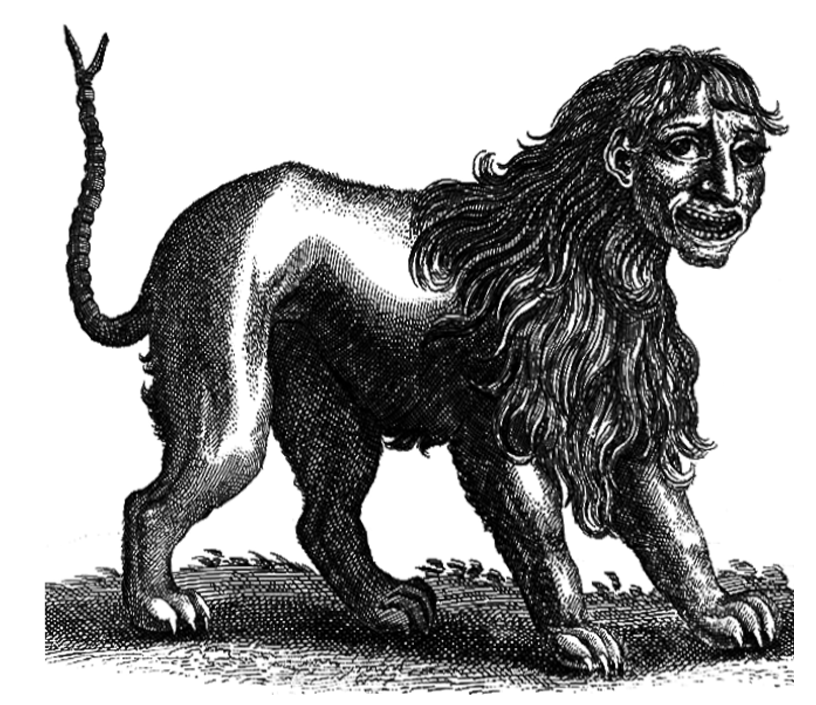
In the Ars Goetia, he appears as a lion with the head of a donkey, a fusion of majesty and stubborn ignorance.
The lion’s body represents courage and power, while the donkey’s head warns against arrogance and misplaced trust.
Some later texts describe him as an elderly man riding a crocodile, a visual drawn from ancient imagery of chaos and wisdom.
In both forms, Valefor evokes contradiction—a spirit offering guidance through deception.
Artists often depict him surrounded by coins, chains, or masks, each symbolizing his domain over wealth, loyalty, and illusion.
These motifs align him with Venusian and earthly energies, linking his character to material gain and desire.
Attributes and Powers
1. Patron of Thieves and Tricksters
Valefor’s most famous domain is thievery and subterfuge.
He fosters alliances among thieves, encouraging trust that often turns to betrayal.
This mirrors his dual nature: a “good familiar until caught,” as the Ars Goetia warns.
In symbolic terms, this represents temptation through opportunity—the allure of shortcuts and moral compromise.
Valefor teaches the dangers of greed disguised as camaraderie, a theme recurring throughout demonological tradition.
2. Mastery of Influence and Reputation
Beyond material theft, Valefor governs social and spiritual prestige.
He can erode reputations or bestow persuasive charisma, affecting political and interpersonal hierarchies alike.
In early texts, he was invoked for influence, negotiation, and strategic cunning—skills prized by nobles and scholars.
This mastery of manipulation aligns him with the element of Earth and the planet Venus, both tied to stability and allure.
3. Knowledge and Familiar Spirits
Valefor is also known to bestow familiars, guiding spirits who assist with insight and protection.
Through these entities, he imparts lessons in observation, strategy, and self-control.
These teachings underline his role as a mentor of subtlety, not overt power.
In many interpretations, Valefor’s “theft” represents the taking of hidden knowledge, not material possessions.
This shift reframes him as a keeper of secrets rather than a simple corrupter.
Astrological and Elemental Associations
Occult traditions link Valefor to Taurus—a sign ruled by Venus, representing stability, wealth, and sensuality.
His metal is copper, and his element is Earth, connecting him to fertility and grounded ambition.
These associations portray him as both protector of prosperity and tester of moral strength.
Renaissance magicians viewed him as a spirit of attraction and craft, guiding artisans, merchants, and strategists.
Yet, his lessons always carried warning: excess breeds downfall.
Symbolic Interpretations
Valefor’s dual role—as benefactor and betrayer—serves as a moral allegory.
He illustrates the consequences of unchecked ambition, where cleverness without integrity becomes self-defeating.
In esoteric psychology, Valefor represents the shadow of achievement: success tainted by deceit.
His lion-donkey hybrid form symbolizes the dual nature of human aspiration—noble intent burdened by pride.
Through this symbolism, Valefor becomes a mirror for ambition’s moral cost.
Valefor in Modern Culture
In modern occultism, Valefor’s myth has evolved beyond ritual texts.
Contemporary practitioners interpret him as a teacher of ethics and restraint, integrating shadow aspects through self-awareness.
His archetype appears in chaos magick, Luciferianism, and psychological demonology, where he represents controlled cunning.
Culturally, Valefor surfaces in literature, gaming, and film, often as a cunning thief or charming antihero.
His archetype parallels figures like Loki, Hermes, or Coyote—tricksters who balance order and chaos.
This recurring portrayal underscores his timeless relevance as a symbol of temptation and transformation.
Conclusion
Valefor, the Duke of Hell and master of deception, remains one of the most compelling spirits in the Ars Goetia.
His legend weaves together ambition, loyalty, and the peril of overreaching desire.
Through him, demonology reflects the eternal human struggle between wisdom and corruption, trust and betrayal.
Studying Valefor reveals a deeper truth: power without conscience leads only to downfall.
In that lesson lies his greatest gift—the understanding that self-mastery triumphs over temptation.