
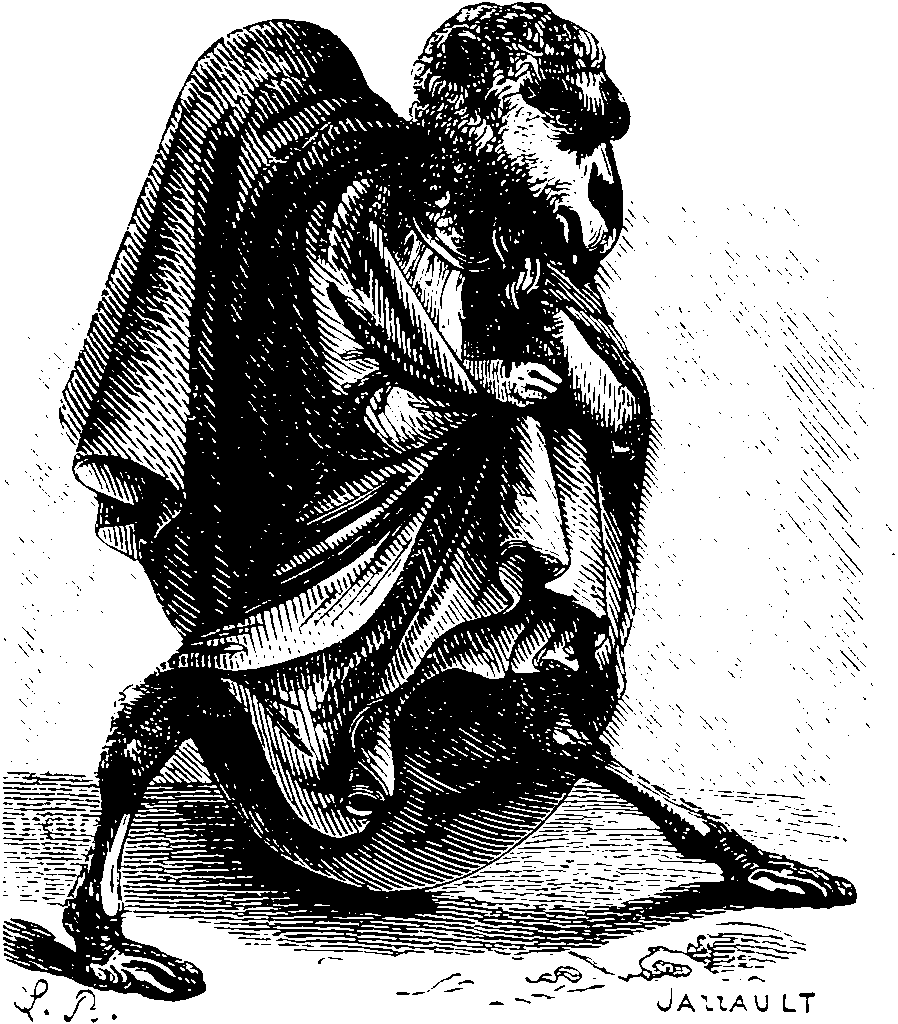
Vual: The 47th Spirit of the Ars Goetia
Vual, a powerful duke in the infernal hierarchy, commands thirty-seven legions of spirits. Once a celestial being among the Powers, he fell from grace during the great rebellion. Today, he is invoked for love, reconciliation, and the revelation of hidden truths.
Through his presence, the seeker learns the balance between passion and prophecy, desire and destiny.
Origins in the Celestial Hierarchy
Vual’s story begins in the prelapsarian order of angels, among the Potestates or Powers. These celestial guardians maintained balance across the cosmos, defending creation from chaos. Medieval theologians such as Pseudo-Dionysius the Areopagite described their vigilance in maintaining divine harmony.
During the fall of the rebellious host, Vual descended into the infernal realms. Once a guardian of unity, he became a ruler of persuasion and division. His transformation reflects the dual nature of spiritual power—light turned inward, brilliance refracted into shadow.
In Solomonic demonology, King Solomon, armed with his divine seal, bound seventy-two spirits of Hell. Among them stood Vual, constrained to reveal truths and guide human will. This act symbolizes humanity’s attempt to impose divine order upon infernal chaos.
Manifestation and Voice of the Sands
When summoned, Vual first appears as a mighty dromedary, a desert creature representing endurance and the burden of knowledge. His eyes gleam with ancient intelligence, echoing the wisdom of travelers and prophets.
At the magician’s command, this form transforms into a man—stern, noble, and austere. His presence recalls the power of Egypt’s ancient monuments. His speech carries the rhythm of forgotten tongues, often described as a deep voice speaking in the Egyptian language.
To summon him safely, the ritual space must be cleansed with myrrh and frankincense, forming a boundary between realms. His voice, like wind over desert dunes, commands attention and humility. Through it, the summoner feels the vast distance between mortal comprehension and celestial knowledge.
Dominion Over Hearts and Histories
According to the Ars Goetia, Vual governs the arts of love, reconciliation, and divination. His gift of attraction does not force affection but reveals harmony between two souls. He guides gestures, words, and emotions, inspiring true connection.
Vual also mends rifts between enemies, offering insight into shared benefit. In medieval courts, magicians sought his counsel to restore alliances and end disputes. His influence reveals the spiritual truth that unity often requires wisdom, not force.
Most profound is his power of prophecy. Vual unveils the past, present, and future as woven threads of one design. His revelations are not mere fortune-telling but lessons in consequence. Those who summon him must face what his visions demand—clarity without comfort.
Under his command, thirty-seven legions carry out his decrees. They embody precision, discipline, and loyalty, reflecting his ducal rank in Hell’s court. His authority rivals that of infernal kings, yet his influence operates through insight, not intimidation.
The Seal and the Rite of Binding
Vual’s seal is a sacred sigil engraved upon copper, the metal associated with dukes in the Ars Goetia. It must be drawn on consecrated parchment using inks of purified blood. This symbol anchors his essence and ensures obedience during summoning.
The invocation occurs under the waxing moon, within a space shielded by the names of the Shem HaMephorash, the seventy-two angels who oppose the Goetia spirits. The conjurer must wear linen garments and anoint themselves with oils of cinnamon and galangal.
Reciting the Clavicula Salomonis, the magician binds Vual with divine authority. The rite concludes at dawn, when the spirit’s contract dissolves into the first light of day. Without precision and faith, the ritual risks collapse, leaving the summoner exposed to spiritual peril.
Echoes in the Grimoires of Antiquity
Vual’s name appears in several grimoires, including Johann Weyer’s Pseudomonarchia Daemonum and the Grand Grimoire. Each text presents him as a reconciler, a prophet, and a scholar of hidden bonds.
He embodies the duality central to Goetic philosophy—knowledge that enlightens or corrupts depending on its use. To some, he is a spirit of temptation; to others, a teacher of balance. His mythology reminds readers that wisdom is always double-edged, demanding humility from its seeker.
Through Vual, one glimpses the eternal tension between light and shadow, love and loss. His image—half angel, half duke—endures as a reflection of humanity’s pursuit of forbidden understanding.
Conclusion
Vual, the 47th spirit of the Ars Goetia, stands as both lover and prophet. His dominion bridges the heart’s desires and the mind’s search for truth. To invoke him is to walk the line between order and chaos, guided by insight earned through devotion.
In every age, his legend reminds seekers that reconciliation—within the self or between worlds—requires courage, discipline, and reverence for knowledge.
Suggested Focus Keywords
Vual Ars Goetia, Demon Vual, Goetia spirits, Vual powers, Vual summoning, Ars Goetia hierarchy, Solomonic magic, Vual prophecy, Goetic demons, Infernal dukes