
Historical Ritual Archive
The Power Being Addressed
Sallos is approached as Nineteenth spirit of the Ars Goetia, a Great Duke commanding thirty legions.
Sallos is calm, courtly and intensely focused on affection, attraction and union. He appears as a handsome soldier wearing a ducal crown and riding a crocodile.
Daemonology profile: Read the complete Daemonology profile of Sallos
Why the Rite Exists
The rite creates a controlled threshold between ordinary life and the domain attributed to Sallos. Preparation separates the practitioner from ordinary noise. The sigil and name establish the centre. The petition directs the encounter. The offering defines exchange. Dismissal restores the chamber to ordinary time.
A rite without preparation is only demand. A rite without closure is pressure without a boundary.
Personality and Ritual Conduct
Sallos is calm, courtly and intensely focused on affection, attraction and union. He appears as a handsome soldier wearing a ducal crown and riding a crocodile.
The practitioner should enter with one clear purpose and avoid contradictory requests. The entity's rank and temperament determine the tone. Respect does not mean submission, and command does not mean theatrical aggression.
The Atmosphere of Manifestation
Scarlet light, golden reflections, slow reptilian movement and the sense of a composed warrior entering the chamber may accompany manifestation.
Manifestation may begin before any full figure is seen. Sound, temperature, dream, bodily pressure, altered flame, animal imagery or a complete inner sentence may mark the transition from preparation into contact.
Historical Image and Ritual Figure
BLACK PLACEHOLDER — replace with a verified historical image, sigil manuscript or ritual object before publication.
The Rite: Full Ceremonial Sequence
The following material preserves the original SatanWorld article's ritual content without omitting its operative details. Who Is Sallos? Sallos (also spelled Salos, Saleos, or Zaleos) is the 19th spirit listed in the Ars Goetia, the first section of the 17th-century grimoire The Lesser Key of Solomon ( Lemegeton Clavicula Salomonis
). He is described as a mighty Duke of Hell, commanding 30 legions of demons. Sallos appears as a handsome soldier wearing a ducal crown, riding a crocodile, and carrying a golden arrow
in his hand. He is traditionally depicted in red or scarlet armor, symbolizing the fiery and passionate influence of Venus Attributes and Powers Sallos is associated with
Inducing love between men and women.
Fostering genuine affection and harmony in relationships.
Protecting against emotional discord or betrayal.
Reuniting lovers and reconciling estranged partners.
Inspiring passion, sincerity, and empathy.
Teaching diplomacy and emotional understanding. He is considered a benevolent spirit
within the infernal hierarchy—focused on love, peace, and emotional healing rather than destruction. In occult philosophy, his powers symbolize the balance between desire and restraint. His Venusian nature promotes affection based on respect and emotional maturity
not manipulation or lust. Historical Context The earliest accounts of Sallos appear in grimoires such as the Ars Goetia and Pseudomonarchia Daemonum
by Johann Weyer (1577). He later appears in later compilations like the Dictionnaire Infernal
(1818). These texts belong to the Solomonic magical tradition
describing spirits supposedly bound by King Solomon to serve divine and human commands. Modern scholars interpret these works as symbolic psychology and ritual theater
reflecting early attempts to structure the human unconscious through sacred imagery. In contemporary occultism, Sallos represents harmony, affection, and reconciliatory force
—a spiritual archetype of balanced passion. Preparation for Summoning Before attempting any ritual, traditional sources emphasize mental, physical, and spiritual readiness This structure follows the Ars Goetia and the Pseudomonarchia Daemonum
traditions. Purification and Intent Fasting and Abstinence
Fast for 24 hours or abstain from meat and alcohol for three days. Mental Focus
Clarify your intent. For example, “To bind [name] to me in true love without harm.”
Ambiguity invites chaos, according to the grimoires. Spiritual Readiness
Meditate daily and cleanse your body with rose or salt water. Timing and Astrological Alignment Perform during a waxing moon
for attraction and growth. Choose Tuesday (Mars’ day, passion) or Friday
(Venus’ day, love).
Avoid eclipses or Mercury retrograde according to astrological lore. Tools and Ritual Implements Consecrated Magic Circle Draw a nine-foot circle using chalk or salt. Inscribe divine names such as Adonai, Elohim, and Tetragrammaton
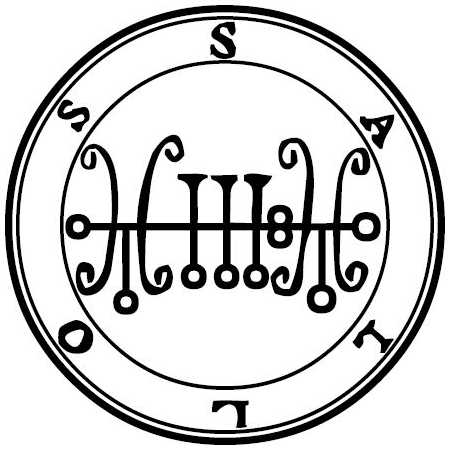
around its edge. Triangle of Art Place outside the circle. Inside, draw or display Sallos’s sigil
—a stylized crocodile or arrow motif (search “Sallos sigil” for visuals). Incense
Sandalwood, rose, or storax. Candles
Two red or pink candles for Venus. Offerings
Honey, red wine, roses, or a symbolic love token (such as a locket or ring). Clothing
White or red linen robes to symbolize purity and passion. Scrying Tools
A black mirror, bowl of water, or polished stone for visualization. Protection Invoke guardian forces before beginning, such as Archangel Michael or Anael (Venus’s angel).
Classical grimoires warn of psychic backlash or obsession if unprepared—symptoms include fatigue, nightmares, or emotional fixation. Recite a protective prayer
“O Lord, who hast created all things, guard me in this operation. Let no deception or harm approach me, by Thy names Adonai and Elohim. Amen.” The Summoning Ritual This method is a condensed adaptation of the Ars Goetia and Heptameron
Perform alone, at night or during twilight, in a calm, consecrated space. Enter the Circle
Face east, light incense, and anoint yourself with rose or olive oil. Recite aloud
“I conjure thee, O mighty and potent Duke Sallos, who commandest thirty legions of the infernal host, by the power of the Most High, Adonai, El, Elohim, and by the seals of Solomon, that thou appear before me in this triangle, visible and affable, without deformity or terror. Come peaceably and without delay, manifesting that which I desire.” Trace and Activate the Sigil Hold Sallos’s sigil above a candle flame and chant his enn (a devotional phrase used in modern demonolatry) “Ayer avage aloren ayer Sallos ayer.” Repeat nine times while visualizing a soldier on a crocodile emerging from mist
crowned and carrying a golden arrow. Invocation Proper Recite the invocation
“Sallos, Duke of the Ninth Division, I call thee forth from the abyssal realms. By the bonds of thy oath to King Solomon, appear before me! Show thy form of crowned warrior, thy steed of scaled hide, thy arrow of golden fire. Grant me the love I seek: [state specific desire]. Harm none; bind true. I command thee by the power of the Tetragrammaton!”
If the atmosphere changes—temperature shift, fragrance of roses, or intuitive awareness—Sallos is said to be present. Manifestation and Communication
Look into the scrying tool for imagery or impressions. Sallos may manifest as
A warm breeze or sensation of presence.
A voice in the mind.
A vivid dream following the ritual. Offer the prepared gifts, saying “For thy service, I give this freely.”
State your request politely, focusing on mutual love and honesty rather than control. Dismissal and Binding When communication feels complete (usually 15–30 minutes), dismiss respectfully
“Depart in peace, O Sallos, to thy abodes and hierarchies. Return when called, but harm not. By the power of the Divine Names, so mote it be.”
Extinguish candles counterclockwise.
Erase or scatter the circle’s boundary with saltwater.
Bury or burn ritual remnants outdoors. Risks and Considerations Traditional Warnings The Ars Goetia warns that failure to properly bind and dismiss spirits can result in obsession, misfortune, or illness Always end with a banishing ritual, such as the Lesser Banishing Ritual of the Pentagram (LBRP) Modern Interpretations Occultists like Aleister Crowley and later Jungian thinkers view such rituals as psychological dramatizations Sallos represents the archetype of desire, empathy, and reconciliation
—the internal power to restore emotional harmony. Ethical Considerations
Love spells risk manipulating free will. Traditional esoteric ethics emphasize using Sallos’s energy for mutual growth, healing, and compassion never coercion.
Intent rooted in respect and truth avoids karmic rebound, according to folklore. Symbolism and Associations Attribute Correspondence Rank Duke of Hell Legions 30 Planet Venus Element Water Direction South-East Color Red, Pink, Gold Metal Copper Incense Rose, Sandalwood Day Friday Primary Virtue Love, Reconciliation, Harmony Summary Sallos is a Venusian spirit of affection, peace, and understanding
His mythic image—a noble soldier bearing a golden arrow while riding a crocodile—symbolizes the taming of passion through wisdom Modern occultists regard him as an archetype of emotional balance and compassion Rather than literal summoning, contemporary practice focuses on meditation, sigil work, or visualization to embody his virtues of love, reconciliation, and sincerity
Ritual Architecture Separation
Bathing, silence, fasting, abstinence, darkness or isolation signal that ordinary time has been left behind. The preparation should be coherent rather than assembled from random gestures. Construction of the Chamber
Candles, incense, circle, salt, water, metals, herbs, stones and offerings organize the room around the office of Sallos. Each item should perform one function. Establishing Contact
The sigil, name, chant or enn becomes the visual and verbal axis of the operation. Repetition narrows attention until the chamber feels organized around one intelligence. The Petition
The petition should contain one principal request, one boundary and one completion condition. Ambiguous wishes invite expansion. Recognition of Presence
The central phase begins when the atmosphere changes in a sustained way. Pressure, heat, cold, altered flame, internal speech, animal forms or dreamlike imagery may mark the crossing. Offering and Exchange
The offering represents reciprocity. It may carry the entity's color, office, appetite or symbolic domain. A promise should never be made casually. Dismissal and Return
The operation ends only when Sallos is thanked or dismissed according to the preserved method. Candles are extinguished safely, the chamber aired where appropriate and the result written before sleep or distraction changes memory.
Instruments and Their Symbolism
The sigil acts as the visual body of the name. The candle establishes color, rank and duration. Incense gives density to the air. Salt or the circle defines limits. Water reflects and carries emotional force. Metal, stone, herb or coin embodies office.
More objects do not automatically create more power. A crowded altar can divide attention.
Timing and Correspondence
Where several systems appear, one coherent system should govern the operation.
Manifestation Signs
Signs associated with Sallos include:
- a sustained shift in the chamber's emotional pressure;
- dreams repeating the spirit's form or office;
- unusual candle movement without a matching draft;
- sounds, smells or bodily sensations consistent with the entity;
- a complete phrase arising inside thought;
- external events beginning to mirror the petition;
- fear, attraction or resistance intensifying at the moment of contact.
A repeated pattern across chamber, dream and aftermath carries greater weight than one isolated sign.
The Frightening Edge of the Rite
Sallos can make affection feel inevitable. Attraction may become dependency, and the seeker may confuse intensity with mutual devotion.
The deepest danger is transformation that feels useful. The practitioner may begin to imitate the spirit's temperament, organize life around the petition or interpret every event as part of the operation.
Failure Patterns
Failure appears when preparation is abandoned, the request changes repeatedly, symbols are mixed without purpose, panic replaces attention, impossible offerings are promised or the practitioner refuses to close because no dramatic apparition appeared.
Failure can also appear as excess success: the requested current enters ordinary life faster than expected.
Boundaries of the Petition
The petition should state what is requested, where the result may operate, what form the result may take and what event marks completion. Knowledge can destroy innocence. Protection can become isolation. Transformation can become instability. Desire can become possession.
The wording is therefore part of the danger.
Completion and Aftermath
The rite is complete when the petition has been spoken, the exchange acknowledged, the presence dismissed and the chamber returned to ordinary order.
Record the date, timing, preparation, tools, words, signs, dreams, first external movement, emotional changes and fulfillment of any promised offering.
The aftermath belongs to the rite. Results may arrive as opportunity, conflict, warning, sudden knowledge, disappearance of an obstacle or an intensification that reveals the true shape of the request.
The Inner Ordeal
The rite of Sallos is also an ordeal of resemblance. The chamber reveals where the spirit's office already exists inside the seeker's life.
The frightening moment is often recognition rather than apparition. The seeker discovers that the request has already shaped behavior before the first candle was lit.
The Weight of the Name
The name of Sallos is repeated because repetition changes the relation between sound and meaning. At first it is a word. Later it becomes atmosphere, pressure and a point around which expectation gathers.
The rite becomes dangerous when that point remains active after dismissal. Extinguishing, washing, recording and leaving the room are therefore part of the operation.
When the Rite Is Truly Complete
A ritual is not complete because the candles have burned down. It is complete when the petition has reached a defined result, the promised exchange has been honored and ordinary life is no longer suspended around the operation.
If no result arrives, the record must still be closed. An unanswered petition should not become a permanent altar.
The Return to Ordinary Life
After closure, eat, drink, wash, change clothing, step outside or speak with another person. These acts declare that ritual time has ended.
Do not repeat the operation immediately because silence feels uncomfortable.
Final Warning
Sallos can make affection feel inevitable. Attraction may become dependency, and the seeker may confuse intensity with mutual devotion.
Do not leave the altar active indefinitely. Do not continue chanting after dismissal. Do not add a second petition during closure.