Demons and Devils
Infernal beings, tempters and entities explicitly classified as demons within religious, folkloric or occult systems.
Search the archive
Daemonology and Occult Studies
Explore demons, spirits, underworld beings, supernatural creatures, ritual entities and liminal intelligences across religious, mythological, folkloric and occult traditions.
The Classification Index
Entities may appear in more than one classification when the historical record or a documented tradition supports that relationship.
Infernal beings, tempters and entities explicitly classified as demons within religious, folkloric or occult systems.
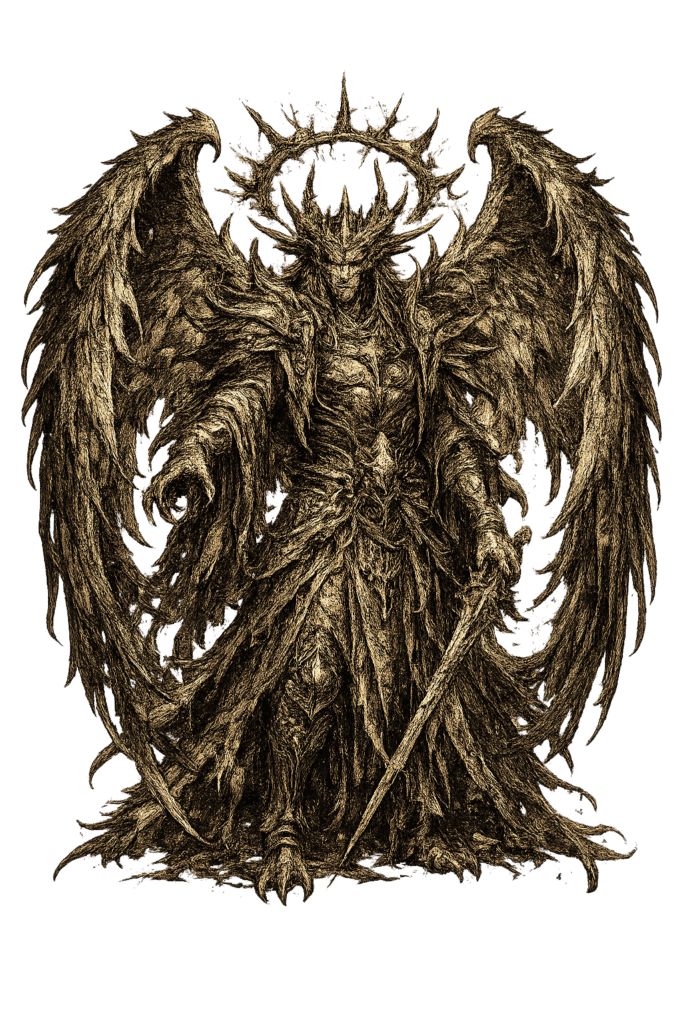
Rebellious angels, Watchers, celestial adversaries and beings believed to have fallen from divine order.
Named spirits catalogued in Goetic, planetary, Enochian, Olympic and ceremonial systems.
Beings associated with the Qliphoth, adverse forces, spiritual shells and later occult shadow systems.
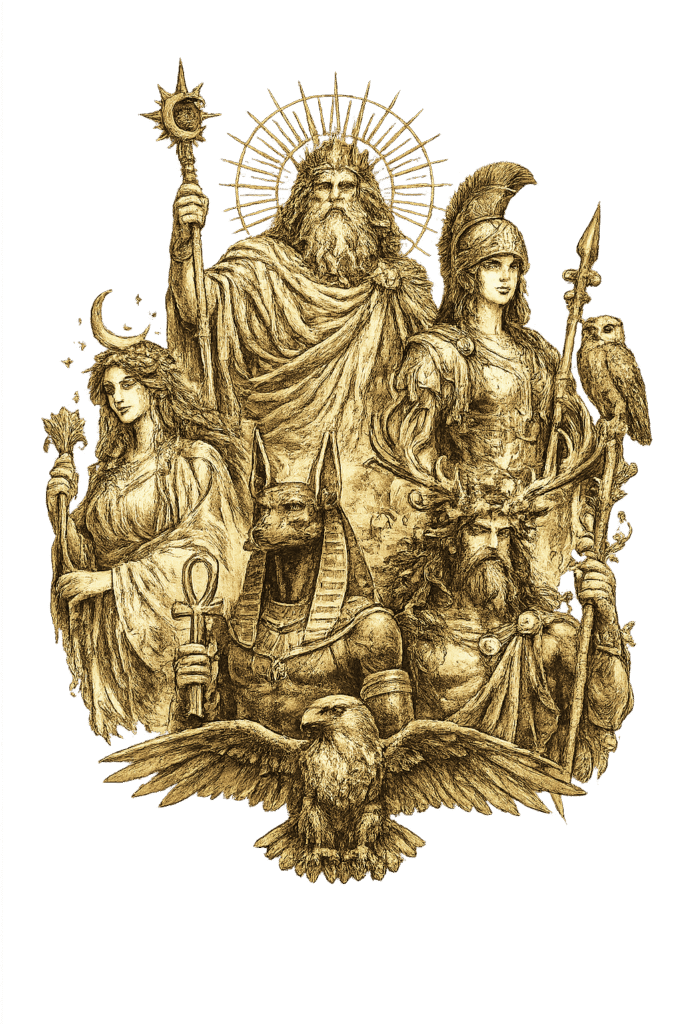
Gods and sacred beings from earlier religions later reinterpreted as demons by competing traditions.
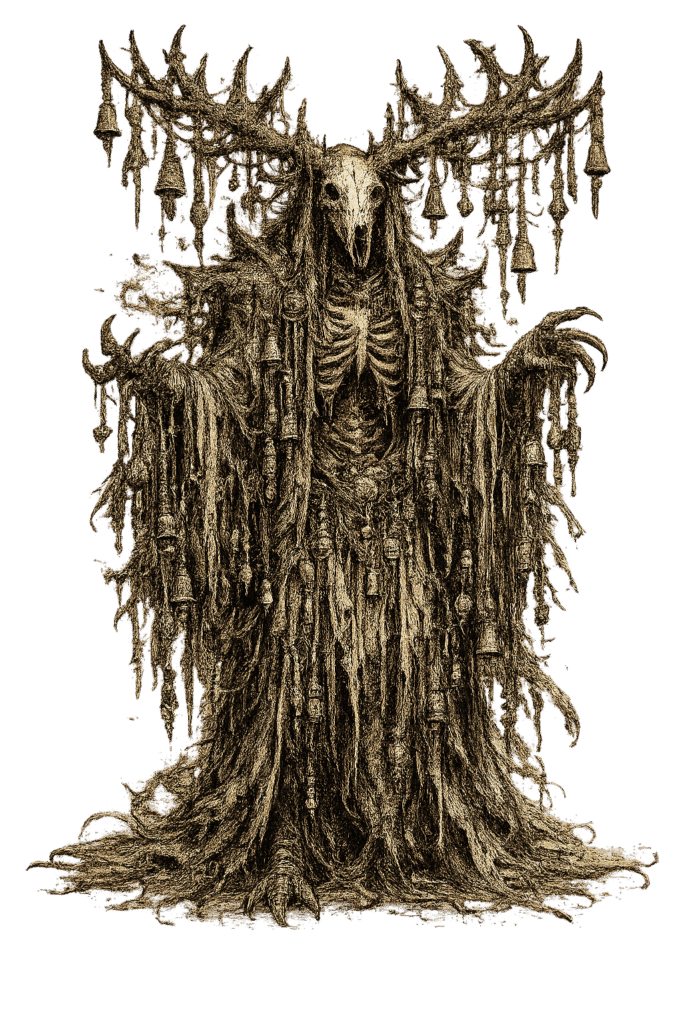
Rulers, guardians and inhabitants of underworlds, afterlives and realms of the dead.
Human spirits believed to remain among the living through vengeance, trauma or unfinished business.
Beings believed to consume blood, breath, vitality, dreams, energy or life force.
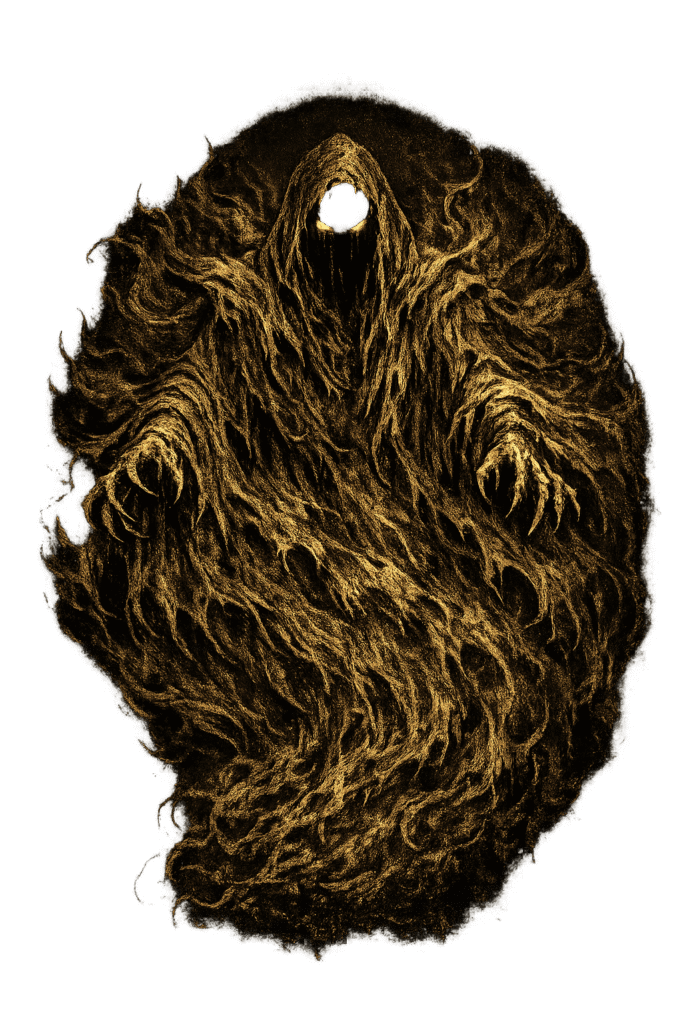
Entities associated with possession, obsession, nightmares, illness or spiritual oppression.
Jinn, shayāṭīn, ifrits, marids, Persian divs and spirits of fire, wind, ruins and deserts.
Ancient serpents, dragons, giants, chimeras and beings representing chaos or primordial forces.
Humans, spirits and supernatural beings able to transform, imitate or assume other forms.
Unpredictable beings that may deceive, frighten, punish, assist or interact with humans.
Beings connected with forests, mountains, rivers, seas, storms, fire, air and earth.
Ancestors, domestic guardians and supernatural companions connected with families, homes and individuals.
Fierce beings, spirits and guardians believed to defend people, communities, boundaries or sacred places.
Egregores, servitors, artificial elementals, tulpas and entities believed to be intentionally created.
Beings crossing several classifications or resisting accurate categorization as spirits, monsters, gods or demons.
Recently Added
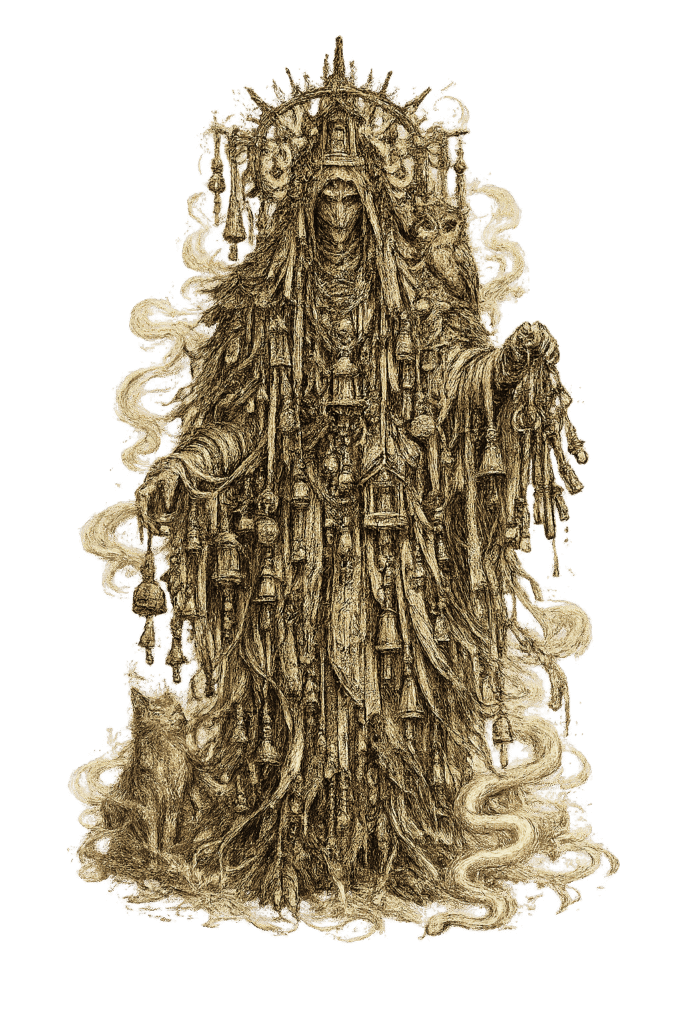
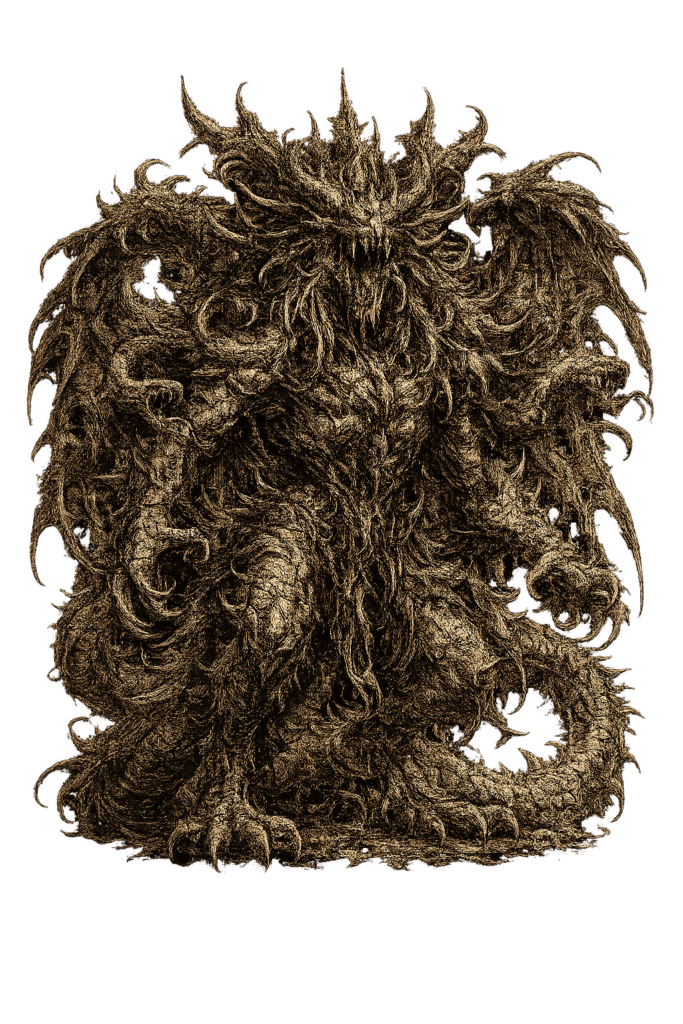
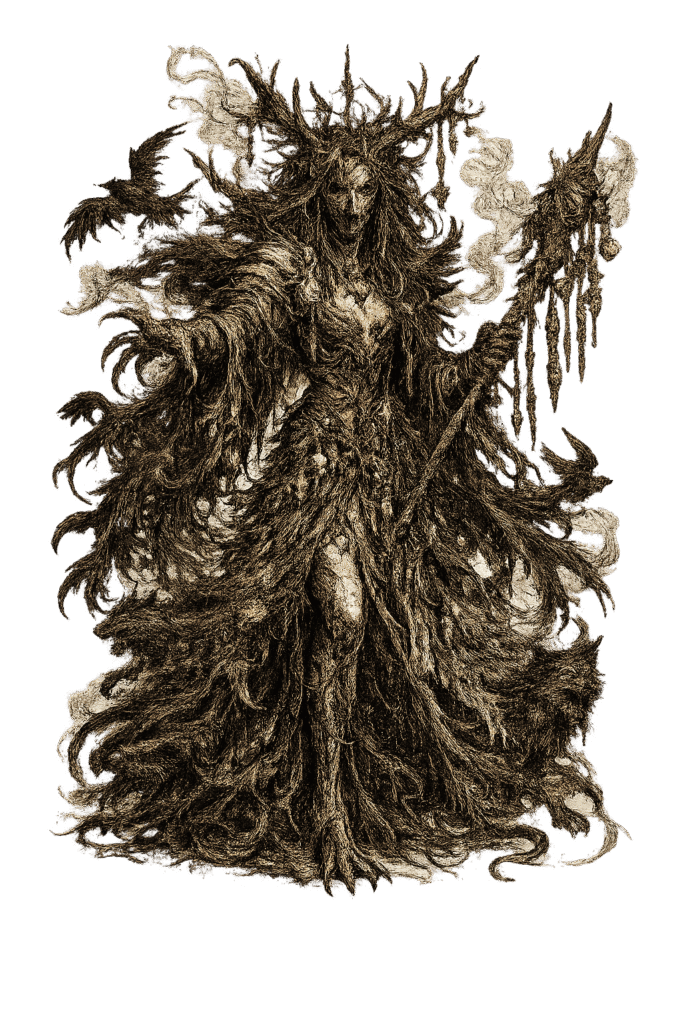
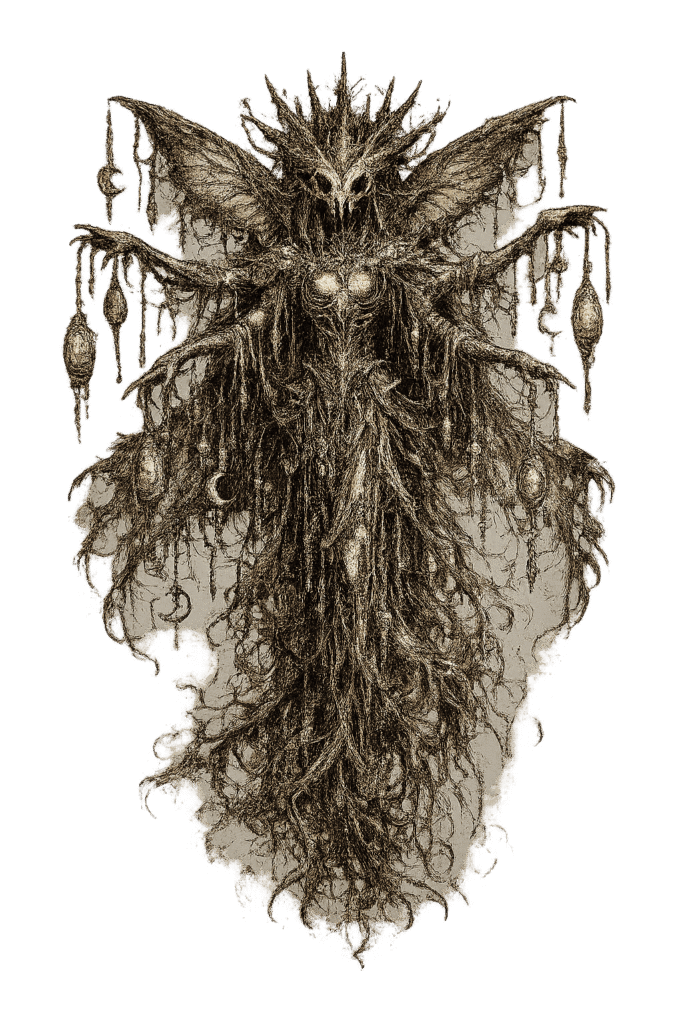
Witches, Shape-Shifters and Transformed Beings
Yoruba traditions
Aje is a Yoruba concept of formidable spiritual power associated especially with women, motherhood, creation, destruction, social authority and the beings often called the Mothers.
Read profileWitches, Shape-Shifters and Transformed Beings
Slavic traditions
Baba Yaga is a Slavic folklore figure who appears as cannibal crone, dangerous hostess, initiatory tester, guardian of boundaries and occasional giver of aid.
Read profileWitches, Shape-Shifters and Transformed Beings
Ethiopian and Horn of Africa traditions
Qolle is a Horn of Africa spirit term recorded in possession and local religious contexts, with meanings that vary by language, region and scholarly transcription.
Read profileWitches, Shape-Shifters and Transformed Beings
Tibetan and Himalayan Buddhist traditions
Rahula Spirits is a Tibetan Buddhist and Himalayan category associated with the eclipse power Rahula, planetary disturbance and classes of spirits linked to seizure or…
Read profileAn evolving scholarly index
Profiles are reviewed across traditions, sources and historical interpretations. Where evidence remains uncertain, the archive leaves the question open.