On 1 July 1976, a priest telephoned the authorities in Aschaffenburg to report that a twenty-three-year-old woman had died in the family home at Klingenberg am Main. Behind the call lay ten months of authorized exorcisms, hours of recordings and a struggle in which Anneliese Michel believed several infernal personalities had spoken through her.
The House in Klingenberg
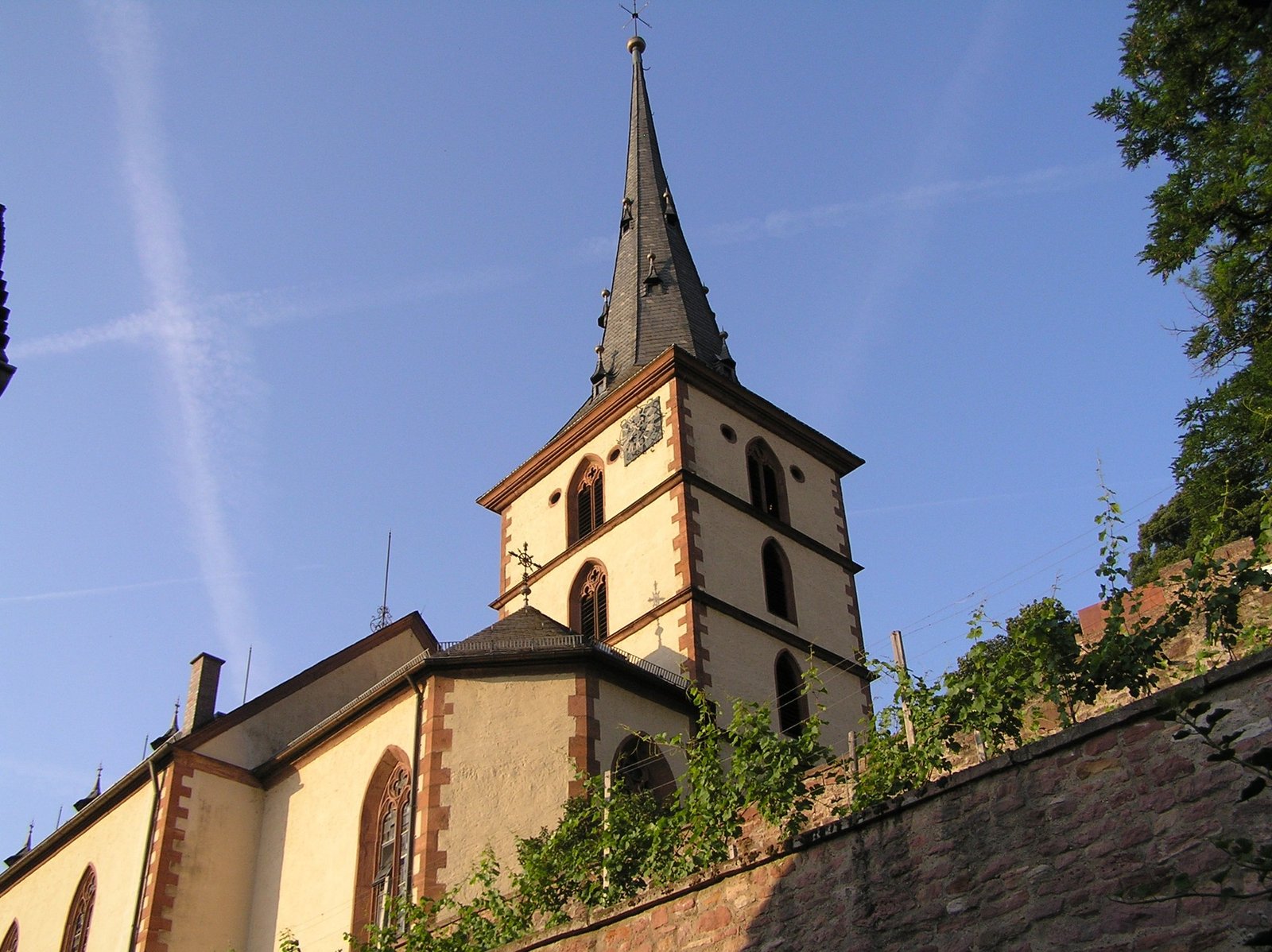
Klingenberg am Main lies beneath wooded slopes in Lower Franconia, a small Catholic town of red roofs, vineyards and church bells. Anneliese Michel was born there in 1952 and raised in a family for whom faith was not ceremonial but absolute. Prayer, pilgrimage, sin, penance and the reality of spiritual danger formed part of the moral landscape of her childhood.
As a teenager she suffered episodes diagnosed within the epileptic spectrum and received neurological and psychiatric treatment. Medication was prescribed over several years. Yet the experiences that frightened her did not remain confined to seizures. She reported seeing grotesque faces, hearing hostile voices and feeling unable to approach sacred places or objects. The language she used was religious because the terror itself arrived in religious form.
Family members and priests later described violent aversion to holy water, the crucifix and places of pilgrimage. Anneliese became convinced that the forces attacking her were not simply illness. She believed she was possessed. Those closest to her gradually entered the same interpretation.
The Request for the Great Rite
The Catholic Church did not immediately authorize a formal exorcism. Priests visited, observed and prayed. Among them was Ernst Alt, who came to believe the case bore signs of possession. The Jesuit Adolf Rodewyk, regarded in conservative Catholic circles as experienced in such matters, also influenced the judgment that a spiritual intervention was necessary.
On 16 September 1975, Bishop Josef Stangl of Würzburg gave Father Arnold Renz permission to perform the Great Exorcism according to the Roman Ritual of 1614. The authorization was to remain secret. Renz, a Salvatorian priest, worked with Alt. The rites began in the Michel home, away from public view.
The ritual was ancient and confrontational. The exorcist commanded the unclean spirit in the name of Christ, invoked the cross, repeated litanies and demanded identification. Unlike a blessing, the rite presumed a hostile presence capable of hearing, resisting and answering. A tape recorder captured many of the sessions.
The Names in the Voice
During the exorcisms, voices identified themselves with a catalogue of the damned. Lucifer was named. So were Judas Iscariot, Nero, Cain, Adolf Hitler and a disgraced priest known as Fleischmann. The personalities argued, mocked prayers and spoke about Hell, disobedience and the state of the Church.
The recordings are among the most disturbing surviving objects connected with any modern possession case. The voice is rough, strained and often furious. At times several identities appear to dispute among themselves. The priests question them, order them to silence and compel them to speak under sacred authority.
Anneliese’s own voice also emerges: exhausted, devout and convinced that her suffering had meaning. In the final phase, she interpreted her ordeal as a form of atonement. The boundary between resistance and consent became terribly fragile. She wanted liberation, yet she also believed she had been asked to suffer for others.
Sixty-Seven Rites
From September 1975 until June 1976, the Great Exorcism was performed sixty-seven times. Some sessions lasted for hours. Renz and Alt continued to understand the crisis through the ritual, while the family remained persuaded that the battle was spiritual.
Anneliese’s physical condition deteriorated. She ate less, became severely underweight and sustained injuries during repeated movements and prostrations. Those facts belong to the record and cannot be separated from the occult narrative: the body in which the voices appeared was failing while the rite continued.
Medical treatment had not entirely ceased, but no intervention powerful enough to reverse the decline was made during the final months. The priests and family believed that removing Anneliese from the exorcistic struggle could abandon her to the forces she feared. The logic of the rite closed around everyone involved.
The Last Days
The final recorded exorcism took place on 30 June 1976. By then Anneliese was profoundly weakened. Her mother later recalled her final words as a plea for forgiveness. She died the following morning.
The autopsy found death from malnutrition and dehydration. She weighed approximately thirty-one kilograms. The room that had contained prayers, commands and infernal voices became the scene of a criminal investigation.
Anneliese was buried at Klingenberg. The case might have remained a private catastrophe had the tapes, ecclesiastical authorization and legal proceedings not made secrecy impossible. Instead, her death opened one of the most consequential modern trials involving exorcism.
The Trial at Aschaffenburg
In 1978, Anneliese’s parents and the two priests were tried at the Regional Court in Aschaffenburg. The proceedings examined medical responsibility, religious freedom and the moment at which spiritual conviction became fatal neglect. Recordings from the rites were played in court, bringing the voices into a secular chamber governed by evidence and law.
The defendants were convicted of negligent homicide and received suspended sentences. The judgment did not erase the religious interpretation held by the family, priests or later believers. It established that Anneliese could and should have received life-saving medical care.
The German Bishops’ Conference subsequently commissioned experts to study the case and the future use of exorcism. The ritual did not disappear from Catholicism, but the Michel tragedy became an enduring warning about discernment, secrecy and the duty to protect the person at the centre of the rite.
The Grave and the Continuing Belief
Anneliese’s body was exhumed in February 1978 after claims that it might have remained incorrupt. Witnesses found the expected state of decomposition, and the coffin was reburied. Yet the grave continued to attract visitors who believed her death had been a sacrificial act rather than only a tragedy.
Books, films and documentaries carried the case far beyond Bavaria. Some used it as inspiration for fictional possession narratives. Others treated the recordings as evidence that the ancient language of demons had entered modern Europe through a young woman’s voice.
For those who accept the possession interpretation, the number of entities, their hostility to sacred objects and the voices preserved on tape remain central. For the Church, physicians and courts, the case remains inseparable from illness, responsibility and death. These readings do not comfortably coexist, yet both continue to gather around the same room in Klingenberg.
Illness, Visions and the First Fear
Anneliese Michel was born on 21 September 1952 in Leiblfing, Bavaria, and raised in the small wine town of Klingenberg am Main. Her family practised an intense form of Catholic devotion shaped by the moral anxieties of postwar Germany. Prayer, pilgrimage and the reality of sin belonged to ordinary household life. Anneliese grew into a serious student who trained to become a teacher and was remembered by friends as quiet, conscientious and religious.
In 1968, while still a teenager, she suffered her first major seizure. A second episode followed in 1969. Medical examinations led to a diagnosis within the spectrum of temporal-lobe epilepsy, and anticonvulsant treatment began. She later spent time in a sanatorium after developing tuberculosis. The years in which adult independence should have opened before her were instead marked by medication, interrupted education and recurring fear of losing control of her body.
The experiences changed. Anneliese described faces that became demonic, a terrible stench others could not perceive, voices condemning her and a weight that seemed to press her down during prayer. She believed she could no longer approach blessed objects. On a pilgrimage to San Damiano in Italy, companions reported that she recoiled from sacred places and could not drink water said to have been blessed. To the family and the priests who knew her, these reactions suggested that the illness had crossed into a spiritual category.
Doctors continued to prescribe medication. Anneliese received anticonvulsants and later psychiatric drugs, but her religious interpretation deepened. She saw the Devil not as a metaphor but as an intelligence acting through her perceptions and body. The medical and supernatural narratives did not replace one another; for a time, they existed together. She attended university, underwent treatment, sought pastoral help and prayed for release.
The Priests Who Listened
Father Ernst Alt met Anneliese in the early 1970s and became convinced that her case could not be understood solely through medicine. He observed her aversion to religious objects and received long descriptions of voices, visions and physical oppression. Another priest, Father Arnold Renz, had experience with communities in which exorcism remained part of remembered Catholic practice.
The family repeatedly asked the Diocese of Würzburg to authorize the solemn rite. Initial requests were refused or delayed. Church authorities instructed that medical treatment continue and that careful examination precede any exorcism. The Roman Catholic Church did not officially treat every claim of possession as proof; the old ritual itself assumed the need for caution.
Alt wrote to Bishop Josef Stangl, describing signs he considered characteristic of possession. The correspondence framed Anneliese’s condition as a battle in which demonic forces used illness but could not be reduced to it. By 1975, after further deterioration, the bishop authorized Renz to perform the Great Exorcism according to the seventeenth-century Rituale Romanum. The authorization was private. The family was asked to preserve secrecy.
On 24 September 1975, Renz conducted the first session. Latin commands filled the family home. Holy water, crucifixes, prayers to the saints and direct adjurations were used. The rite required the exorcist to demand identity, command departure and invoke the authority of Christ. It was not a single ceremony but a confrontation expected to continue until the possessing spirits yielded.
The Names That Entered the Room
The voices speaking through Anneliese gave names drawn from different layers of Christian terror and modern history. Lucifer appeared as the proud ruler. Judas Iscariot represented betrayal. Cain carried the first murder. Nero embodied persecution. Hitler entered as a damned tyrant. A sixth voice identified itself as Fleischmann, usually associated in the case with a disgraced priest from the past.
The mixture was not a formal demonological hierarchy like Loudun’s. It was a chamber of condemnation populated by figures whom Catholic memory placed under judgment. The voices mocked prayer, insulted the priests and spoke of Hell. They argued among themselves and sometimes claimed that the Virgin Mary prevented them from acting freely.
Recordings preserve deep growls, strained speech, screams and exchanges in which the priests press for answers. The voices sound different from Anneliese’s ordinary speech, and the tapes became the most disturbing surviving objects connected to the case. They were made not for entertainment but as evidence and religious documentation inside the family circle.
Anneliese also spoke in her own voice about visions and messages. She believed she had been offered release but had accepted continued suffering as an act of expiation for others. This sacrificial interpretation transformed the purpose of the rites. Deliverance remained desired, yet suffering itself became spiritually meaningful. Those around her increasingly understood the ordeal through the language she supplied.
Sixty-Seven Sessions
Between September 1975 and June 1976, the Great Exorcism was performed sixty-seven times, often in sessions lasting several hours. Renz and Alt travelled to the Michel home, where family members assisted in prayer and physical restraint. The rites were sometimes conducted once or twice a week, producing a cycle of anticipation, exhaustion and temporary calm.
During episodes Anneliese reportedly knelt and rose repeatedly until her knees were damaged, crawled beneath furniture, barked, spat, bit and struck those near her. She was said to eat insects, coal or substances from the floor and to tear at her clothing. Some details come from later testimony and should be understood as part of the family’s and priests’ record of what they believed they were confronting.
The physical force attributed to her required several people to hold her. Yet outside the sessions her body was weakening. Photographs from the final months show an emaciated young woman with injuries around the eyes and mouth. The sacred drama became inseparable from progressive bodily collapse.
Medical prescriptions did not immediately stop, but regular clinical supervision faded. Anneliese came to believe medicine could no longer help. Her family and the priests relied on the hope that completion of the ritual would restore her. Each recurrence of the voices could be interpreted as proof that the demons remained and that the rite must continue.
The Final Week
By the summer of 1976, Anneliese could no longer maintain ordinary nutrition. She weighed about thirty kilograms. Dehydration and prolonged malnutrition weakened her heart and organs. She had pneumonia and a fever. Her movements caused fractures and injuries that were not adequately treated.
The last recorded exorcism occurred on 30 June. Anneliese was too weak to kneel without assistance. Her mother and another person supported her body while the prayers continued. In the surviving account, her final words to Renz were an appeal for absolution. She addressed her mother with tenderness before the room fell quiet.
She died the following morning, 1 July 1976. Alt telephoned the authorities and reported that a death had occurred after an exorcism. The police entered a house in which the ritual objects and recordings remained. An autopsy identified starvation and dehydration as the immediate physical causes, with pneumonia and the effects of her underlying condition contributing to the catastrophe.
The supernatural confrontation had ended without the recovery everyone expected. The question passed at once from clergy to prosecutors: who had been responsible for recognizing that the invisible battle was killing the visible body?
The Aschaffenburg Court
The trial began in March 1978 before the Regional Court in Aschaffenburg. Anneliese’s parents, Josef and Anna Michel, and the priests Ernst Alt and Arnold Renz were charged with negligent homicide. The courtroom heard medical evidence, religious testimony and portions of the tapes. The same recordings treated by the priests as traces of demonic presence became evidence in a modern criminal proceeding.
Experts argued that Anneliese had suffered epilepsy and severe psychiatric disturbance and that medical intervention, forced nutrition and hospitalization could have saved her even late in the course of events. The defence maintained that the family had acted from sincere conviction and under ecclesiastical authority. The court did not need to decide whether demons existed. It judged whether the defendants had failed in a duty of care toward a dying woman.
On 21 April 1978, all four were convicted. They received six-month prison sentences suspended on probation. The judgment became a defining modern case in the conflict between religious practice and medical responsibility. It also forced German Catholic authorities to reconsider the secrecy, language and use of the old rite.
For believers, the verdict did not erase the voices. Some regarded the proceedings as incapable of judging a spiritual sacrifice. For others, the courtroom exposed the fatal consequences of interpreting every symptom inside a closed supernatural system. Klingenberg acquired two records of the same months: the tapes of exorcism and the judgment of the state.
The Grave, the Exhumation and the Pilgrims
Anneliese was buried in Klingenberg. In 1978, shortly before the trial, her body was exhumed after the family received reports from a Carmelite nun who claimed to have been shown that the first coffin was unsuitable and that the body might display a sign of incorruption. Officials supervised the opening and transfer. No public miracle emerged from the grave.
The exhumation nevertheless strengthened the aura around the case. Visitors began to leave flowers, candles and prayers. The gravestone became a place where private devotion continued outside official Church approval. Some came because they regarded Anneliese as a victim; others because they believed she had accepted suffering for the sins of the age.
Her parents remained convinced that possession had been real. The priests did not renounce their interpretation. The diocese, while acknowledging the tragedy, became more cautious. When the Catholic rite of exorcism was revised in 1999, the Michel case remained an unspoken warning about discernment, medical consultation and the danger of secrecy.
Films and books later changed names and rearranged events, often turning Klingenberg into conventional horror. The actual archive is more severe: prescriptions, letters to a bishop, sixty-seven ritual sessions, audio tapes, autopsy findings and a judgment dated 21 April 1978. The story’s force comes from the fact that all of these belonged to the same young woman.
The Silence After the Tapes
There is no abandoned convent or ruined castle in the story of Anneliese Michel. There is a family home, an authorized rite, a tape recorder and a grave still visited by strangers. Its darkness comes from proximity. The events occurred in the age of hospitals, universities, telephones and modern law.
The recordings do not allow the listener to stand safely outside the case. They preserve the certainty of the people in the room: the priests commanding, the family praying and Anneliese speaking from within an ordeal she understood as both attack and sacrifice.
Whatever name is given to the voices, the final fact remains human and severe. A young woman died after months in which everyone around her believed the decisive struggle was taking place in the invisible world. The exorcisms ended, but Klingenberg never fully returned to silence.