The Arbatel and the Seven Olympic Spirits
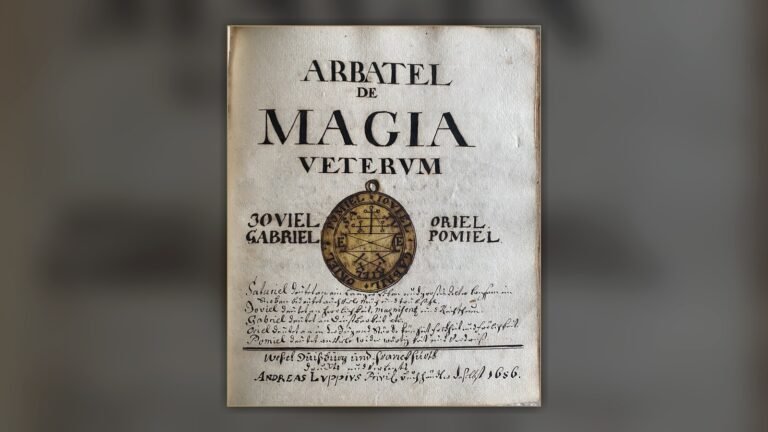
Printed in Basel in 1575, the Arbatel speaks in forty-nine aphorisms of divine vocation, wisdom and seven planetary rulers called…
Read entrySearch the archive
Archive
Printed in Basel in 1575, the Arbatel speaks in forty-nine aphorisms of divine vocation, wisdom and seven planetary rulers called…
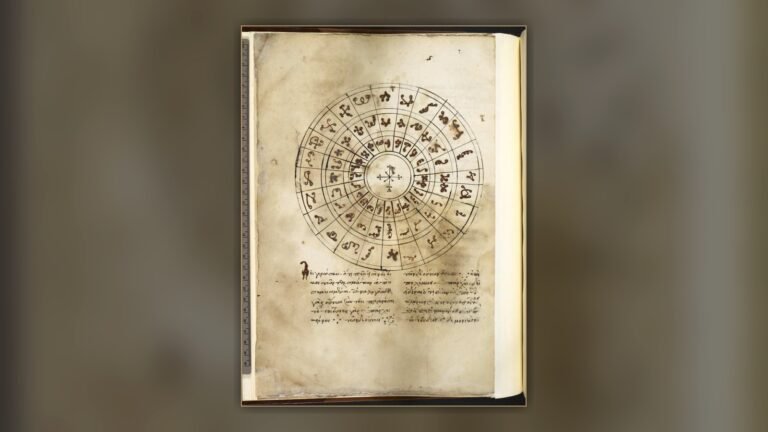
Read entryBefore the Key of Solomon took its familiar European forms, Byzantine manuscripts preserved a shifting magical book of planets, spirits,…
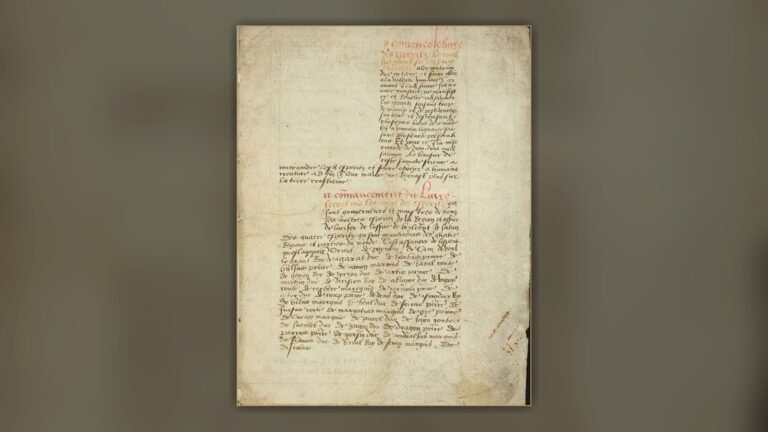
Read entryA short French manuscript in Cambridge names forty-six spirits, their ranks, forms, powers and legions—an early catalogue standing behind later…
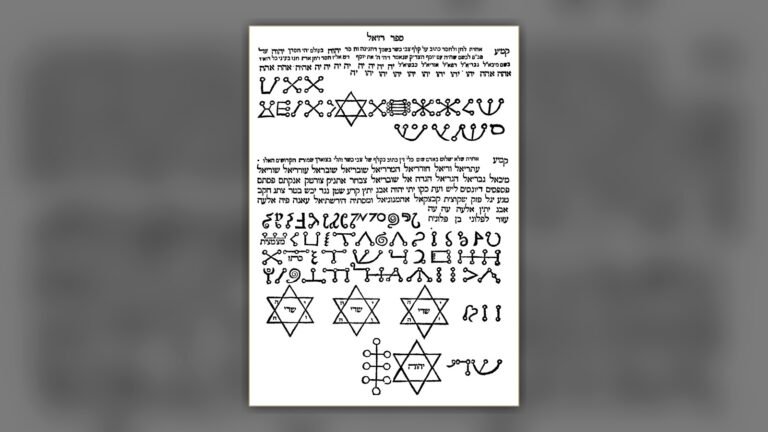
Read entryAttributed to the angel Raziel and transmitted through Hebrew, Latin and vernacular traditions, the Book of Secrets united astrology, divine…
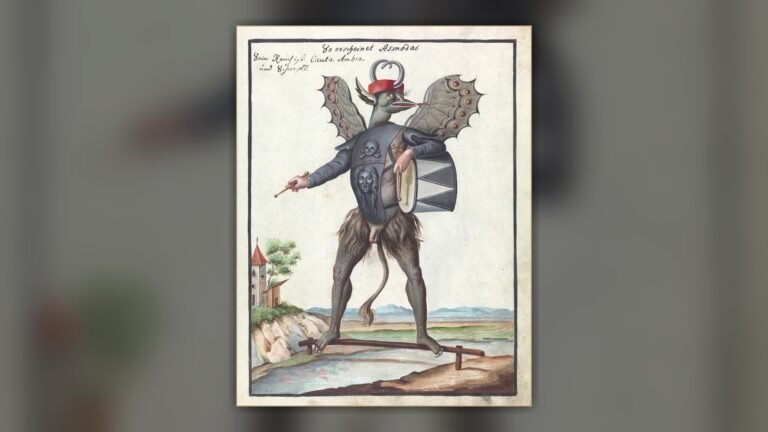
Read entryPainted demons, treasure spirits, corpse magic and forbidden sigils fill an eighteenth-century Austrian manuscript now preserved as Wellcome MS 1766.
Read entryOne British Library volume binds together Solomon, Agrippa, Simon Forman, John Dee, magical experiments and papers from English witchcraft accusations.
Read entryJohann Weyer opposed the execution of accused witches, yet printed one of Europe’s most influential catalogues of demons—sixty-nine infernal offices…
Read entryRecovered from Roman Egypt, the Greek Magical Papyri preserve spells for visions, healing, love, protection, exorcism and divine encounter in…
Read entrySmall handwritten books carried healing prayers, protective signs, curses, treasure lore and invocations through Norway, Sweden, Denmark and Iceland.
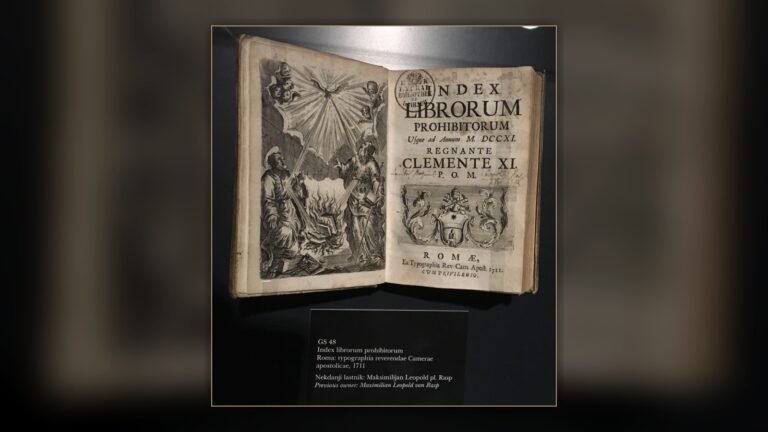
Read entryFor centuries, Roman censorship classified dangerous books, ordered corrections and prohibited works of divination, necromancy, illicit revelation and magic.
Read entry