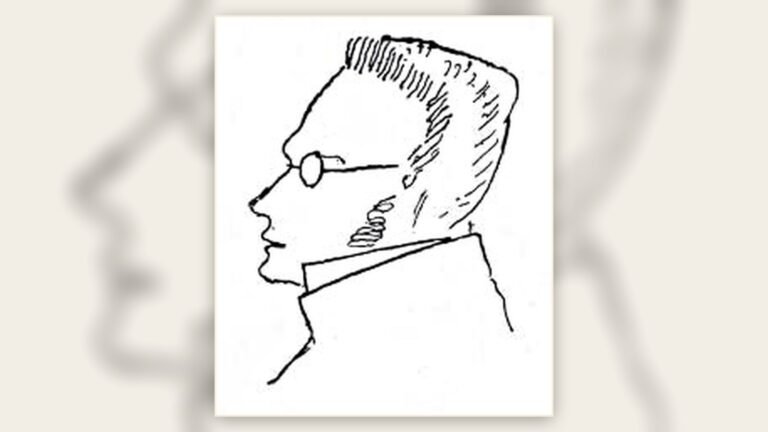
Stirner and the Sovereignty of the Self
Max Stirner attacked gods, states, morality and humanity itself whenever an abstraction was placed above the living individual.
Read entrySearch the archive
Archive
Luciferian symbolism, forbidden knowledge, rebellion, conscience, literature, theology and adversarial philosophy.
Max Stirner attacked gods, states, morality and humanity itself whenever an abstraction was placed above the living individual.
Read entryThe modern right to conscience emerged from centuries in which disagreement could mean exile, prison, confiscation or death—and from dissidents…
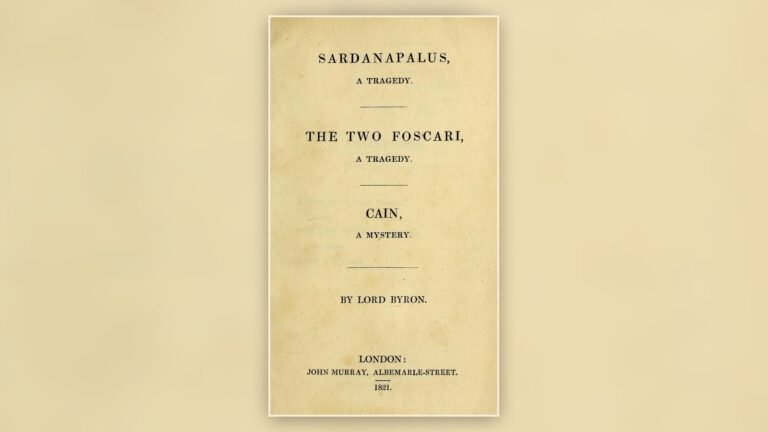
Read entryByron transformed the first murderer into a tormented skeptic who questions inherited guilt, unwanted mortality and the justice of worship…
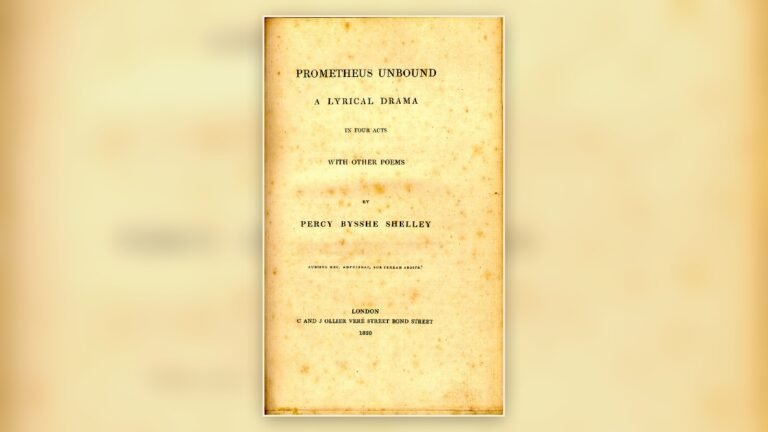
Read entryShelley imagined a rebel who defeats tyranny only after renouncing hatred, joining resistance to an ethics that refuses to imitate…
Read entryIn Les Fleurs du mal, Baudelaire turned Satan into the patron of exiles, inventors, conspirators and the wounded inhabitants of…
Read entryAnatole France imagined angels who discover forbidden philosophy, organize a revolution against Heaven and confront the danger of becoming what…
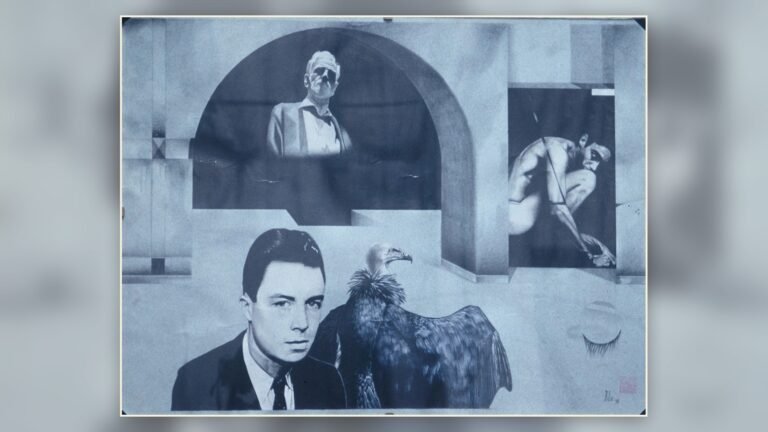
Read entryCamus defended revolt as an affirmation of dignity and solidarity while warning that revolution becomes tyranny when it grants itself…
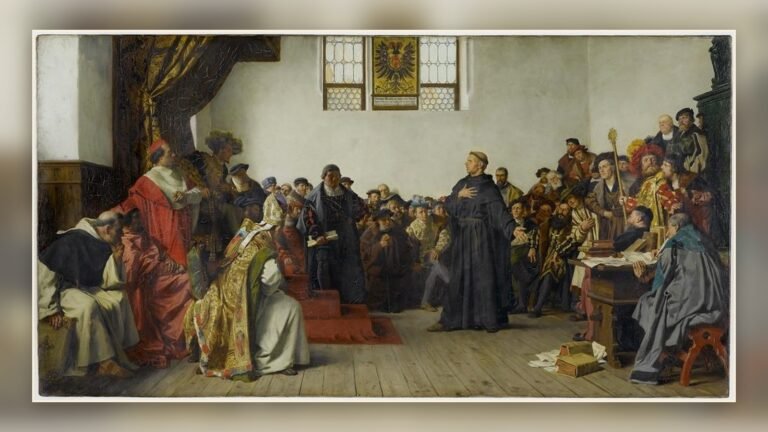
Read entrySpiritual independence begins when the individual claims that conscience, revelation or reason can stand against an institution that declares itself…
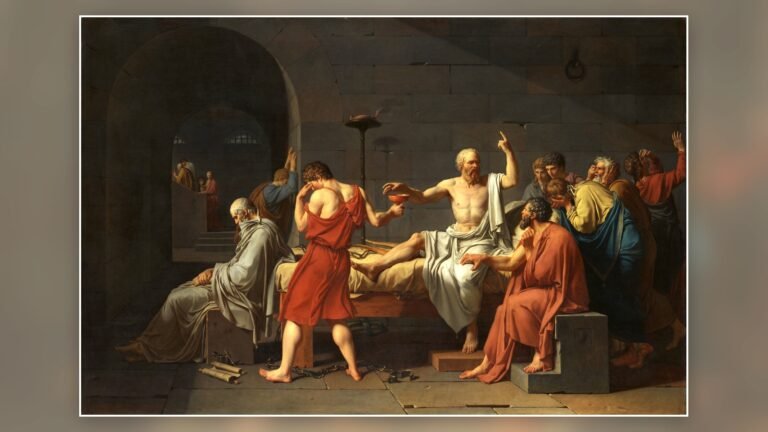
Read entryThe adversary is not only an enemy. In philosophy, law, theology and science, an opposing voice can expose contradictions before…
Read entryAcross two millennia, Satan moved from accuser and cosmic enemy to literary rebel, political insult, occult emblem and deliberately adopted…
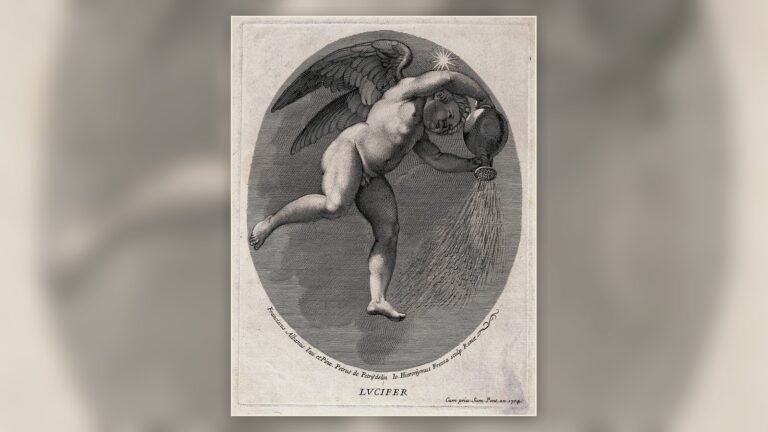
Read entryBefore Lucifer became the name of a fallen angel, the word described the morning star, the bearer of dawn and…
Read entryIn the Hebrew Bible, satan first appears as an adversary, accuser or obstructing figure—not yet the independent ruler of evil…
Read entryA prophetic taunt against a fallen king became the scriptural doorway through which the morning star entered the mythology of…
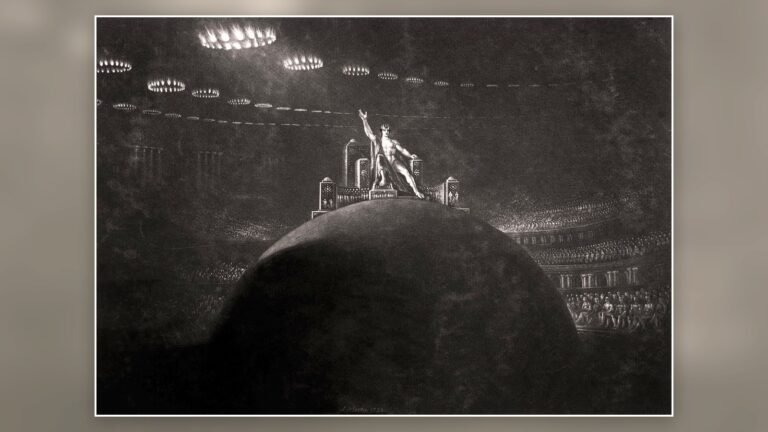
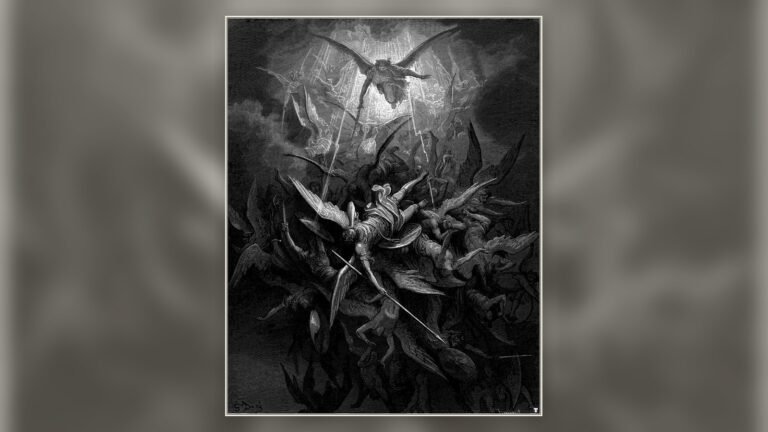
Read entryMilton gave Satan the rhetoric of a statesman, the scale of an epic hero and the inner ruin of a…
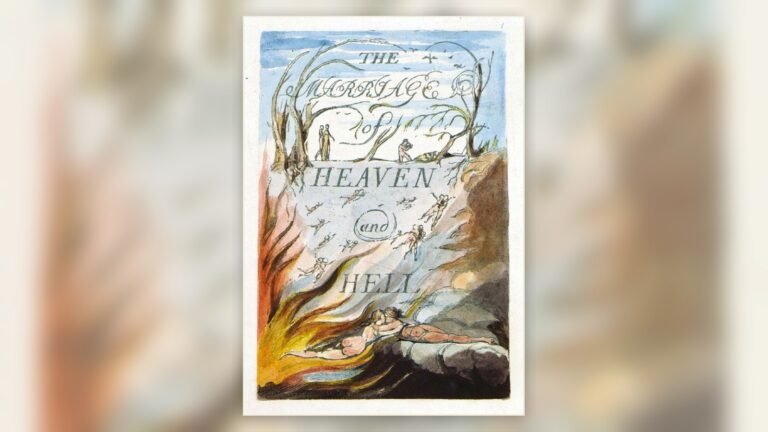
Read entryBlake’s illuminated book overturns conventional moral categories and presents contraries, energy and imaginative freedom as conditions of human life.
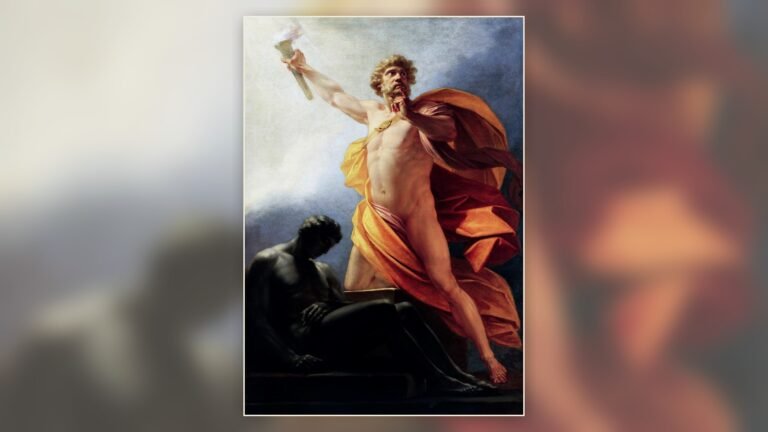
Read entryPrometheus steals fire for humanity; Lucifer bears light and falls. Their later union created one of the West’s most powerful…
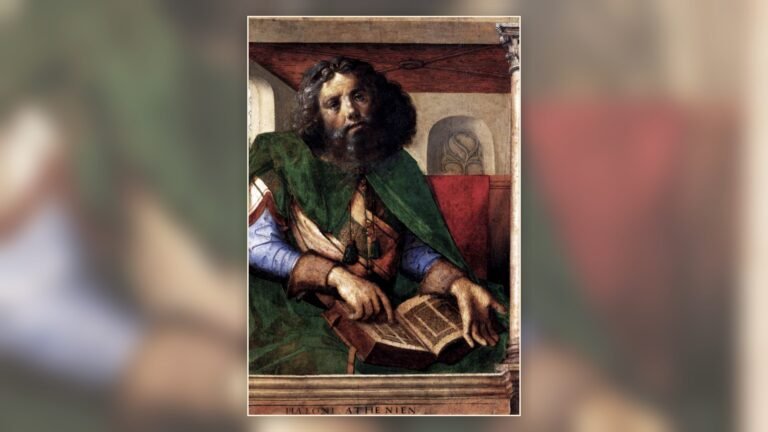
Read entryCan good and evil exist without a divine lawgiver? Plato’s ancient dilemma still divides theology, secular ethics and the philosophy…
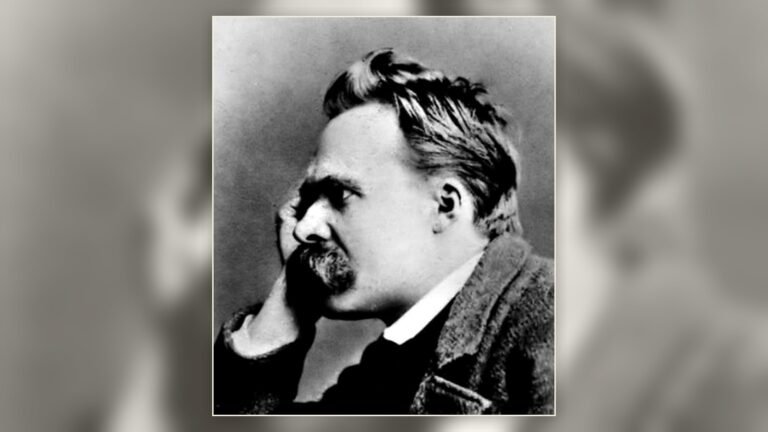
Read entryNietzsche’s death of God is not a triumphant slogan but a diagnosis: Europe has lost the foundation of its values…
Read entrySome ancient Gnostic traditions reinterpreted the serpent, the creator and forbidden knowledge in ways that unsettled the orthodox reading of…
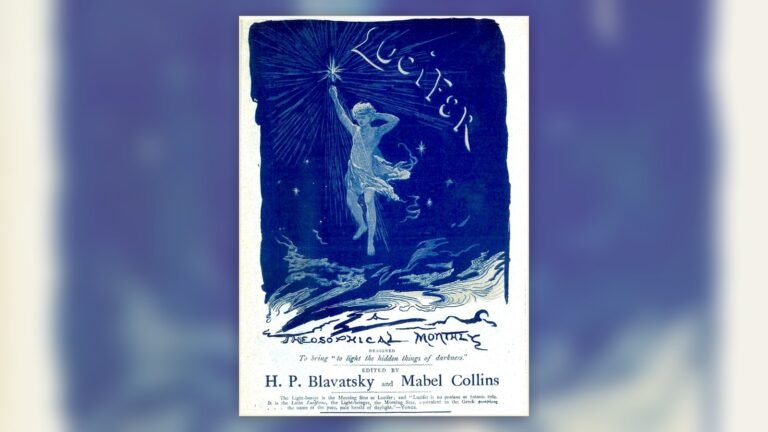
Read entryModern Luciferianism is not one church or creed but a family of symbolic, philosophical and religious paths centred on illumination,…
Read entry